-

GICL Crown Gear Coupling
GICL gear coupling has larger inner teeth width, which can transfer torque while compensating for larger axial displacement.View More -

GICLZ Crown Gear Coupling
Half of the GICLZ gear coupling adopts a non-toothed semi-coupling sleeve structure, which is usually connected in pairs or used in occasions with small angular displacement.View More -

GIICL Crown Gear Coupling
GIICL gear coupling has small inner teeth width, which can transfer torque while compensating for small axial displacement. Also, its structure is compact and the moment of inertia is low.View More -

GIICLZ Crown Gear Coupling
Half of the GIICLZ gear coupling adopts a non-toothed semi-coupling sleeve structure, which is usually connected in pairs or used in occasions with small angular displacement. Also, its structure is compact and the moment of inertia is low.View More -

GCLD Crown Gear Coupling
GCLD gear coupling is generally used for direct connection with the motor, so it generally has a higher speed and compact structure.View More -

NGCL Crown Gear Coupling
NGCL gear coupling is designed with a brake wheel, suitable for situations where braking is required.View More -

NGCLZ Crown Gear Coupling
NGCLZ gear coupling is designed with a brake wheel, suitable for situations where braking is required. Half of its structure adopts a semi-coupling sleeve design, with smaller angular displacement compensation but more stable braking.View More -

WG Crown Gear Coupling
The overall characteristics of WG gear coupling are similar to those of other drum gear couplings, but with a larger modulus design, which can generally transmit greater torque.View More -

WGZ Crown Gear Coupling
WGZ gear coupling is designed with a brake wheel, suitable for shoe type braking.View More -

WGP Crown Gear Coupling
WGP gear coupling is designed with a brake disc, suitable for disc type braking.View More -

WGT Crown Gear Coupling
WGT gear coupling is designed with indirect tube, suitable for long distance torque transfer.View More -

WGC Crown Gear Coupling
WGC gear coupling is specially designed for situations where vertical transmission is required, suitable for some vertical transmission systems.View More -

WGJ Crown Gear Coupling
WGJ gear coupling is designed with intermediate shaft, suitable for long distance torque transmission, and some are equipped with axial buffers.View More
Crown gear coupling, a highly versatile and robust power transmission component, stands as a cornerstone in mechanical engineering systems that demand reliable torque transfer alongside the ability to accommodate shaft misalignments. Unlike rigid couplings that offer no flexibility and can cause severe stress on connected shafts and bearings when misalignment occurs, and unlike some flexible couplings with limited torque capacity, crown gear couplings strike a balanced blend of rigidity and flexibility, making them indispensable across heavy-duty and precision-driven industrial operations.
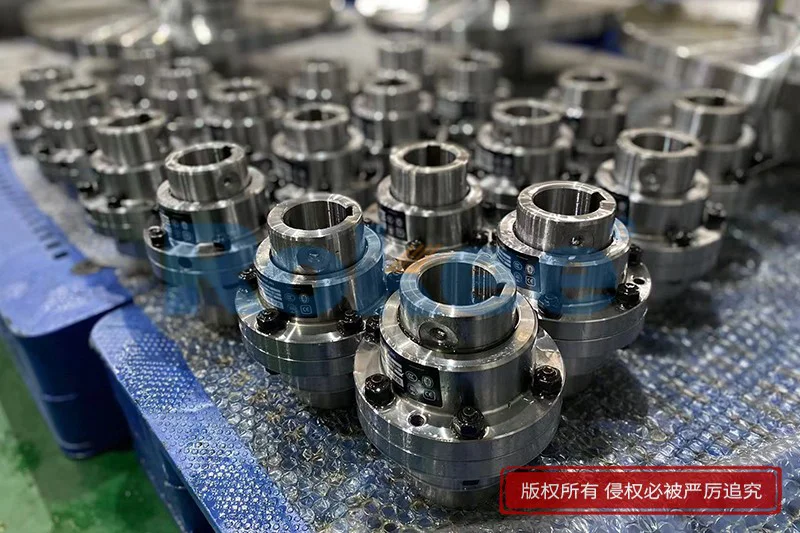
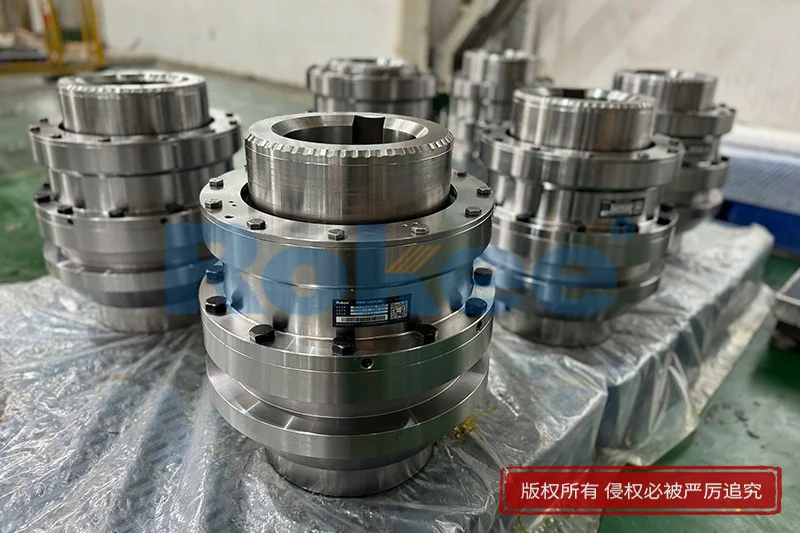
At its core, the crown gear coupling features a specialized gear-based structure that defines its unique operational capabilities, consisting of two main component groups that work in seamless tandem to transmit rotational power. The primary structural elements include two outer gear sleeves with crowned tooth profiles and two inner gear rings with straight internal teeth, paired with sealing components and fastening hardware to complete the assembly. The defining structural feature lies in the crowned design of the outer gear teeth, where the tooth profile is curved along a circular arc rather than being a straight, cylindrical shape as seen in standard straight-tooth gear couplings. This curved crown profile is precision-machined to ensure uniform contact between the outer and inner gear teeth across the entire meshing surface, even when the connected shafts are not perfectly aligned. Each outer gear sleeve is typically mounted onto the end of a driving or driven shaft via a tight interference fit, keyway connection, or clamping mechanism, creating a secure attachment that prevents slippage during torque transmission. The inner gear rings are interconnected, often via a flange or a sleeve body, forming a unified middle section that meshes with both outer gear sleeves simultaneously. Sealing elements, such as gaskets or labyrinth seals, are integrated at the joint between the inner and outer gear components to retain lubricant inside the meshing area and block the entry of external contaminants like dust, moisture, and abrasive particles, which is critical for maintaining long-term operational stability and reducing wear on gear surfaces.
The structural design of drum gear couplings directly translates to exceptional performance characteristics that set them apart from other coupling types, with misalignment compensation, high torque transmission capacity, durability, and operational stability being the most prominent traits. One of the most vital performance advantages is its ability to compensate for multiple types of shaft misalignment simultaneously, including angular misalignment, radial misalignment, and axial displacement, a feature that addresses a common challenge in industrial machinery where perfect shaft alignment is nearly impossible to achieve and maintain over time. The crowned tooth profile allows for a greater angular misalignment tolerance compared to straight-tooth gear couplings, with the curved teeth adjusting their contact points dynamically as the shafts shift, eliminating edge loading and concentrated stress that often lead to premature gear failure. This dynamic contact adjustment ensures that torque is distributed evenly across all meshing teeth, maximizing the load-bearing capacity of the coupling. In terms of torque transmission, crown gear couplings are engineered to handle extremely high torque loads, ranging from moderate levels for light industrial equipment to massive torque values for heavy machinery, thanks to the large contact area between the crowned outer teeth and inner gear rings. The full-tooth contact also minimizes backlash, the small gap between meshing gears that can cause vibration and noise during operation, resulting in smoother power transmission and reduced mechanical shock when starting or stopping machinery.
Additional performance benefits include high radial load capacity, compact structural footprint, and adaptability to varying operating speeds. Unlike some flexible couplings that rely on elastomeric elements which can degrade under high loads or temperatures, crown gear couplings are constructed from high-strength alloy steels, giving them exceptional resistance to wear, fatigue, and deformation under continuous heavy-duty operation. This metallic construction also allows them to perform reliably in extreme environmental conditions, including high-temperature environments, low-temperature settings, and areas with high vibration or shock loads. The compact design of crown gear couplings makes them suitable for installations with limited spatial constraints, as they do not require extensive clearance around the shaft connection point. Furthermore, they exhibit consistent performance across a wide range of rotational speeds, from low-speed, high-torque applications to moderate and high-speed machinery, with proper lubrication ensuring minimal friction and heat generation even at elevated operating speeds. Regular lubrication, typically with high-performance gear grease or oil, is essential to maintain these performance metrics, as it reduces friction between meshing teeth, dissipates heat, and prevents metal-to-metal contact that would accelerate wear and shorten the coupling’s service life.
Curved tooth couplings are available in several distinct structural varieties, each tailored to specific operational requirements, installation conditions, and machinery configurations, with differences primarily centered on external design, connection methods, and auxiliary features. The most basic and widely used variety is the standard full-crown gear coupling, which features a complete set of crowned outer teeth on both shaft sleeves and a symmetrical inner gear ring assembly. This standard model is designed for general-purpose heavy-duty applications, offering balanced misalignment compensation and torque capacity for most common industrial power transmission setups. A second common variety is the short, compact crown gear coupling, which features a reduced axial length compared to the standard model, making it ideal for machinery with tight axial spacing between the driving and driven shafts. Despite its shorter profile, this compact variant retains nearly all the performance capabilities of the standard version, with only minor adjustments to misalignment tolerance to accommodate the reduced size.
Another prominent variety is the crown gear coupling with a brake wheel or brake disc integration, which incorporates a dedicated braking surface into one of the outer gear sleeves or the inner gear assembly. This design eliminates the need for a separate brake component, streamlining the overall machinery structure and saving installation space, making it highly suitable for equipment that requires frequent starting, stopping, or speed regulation, such as conveyor systems, lifting machinery, and material handling equipment. There is also a split-type crown gear coupling, where the inner gear ring or outer sleeve is divided into two separable halves, allowing for easy installation and maintenance without the need to disassemble the entire shaft system or move connected machinery. This split design is particularly valuable for large-scale industrial equipment where shaft removal is time-consuming and labor-intensive, as it enables quick coupling replacement or lubrication maintenance with minimal downtime. Additionally, some specialized crown gear couplings feature enhanced sealing systems for harsh environments, such as double-lip seals or pressurized sealing mechanisms, to provide extra protection against corrosive chemicals, heavy dust, or water exposure in industries like mining, marine, and chemical processing.
Beyond these structural variations, curved tooth gear couplings can also be categorized based on load capacity and application scale, ranging from small-sized units for light to medium-duty machinery to large, heavy-duty units for industrial-scale equipment with extreme torque requirements. Smaller crown gear couplings are used in precision machinery, pump systems, and fan assemblies, where moderate torque and compact size are priorities, while large-scale models are engineered for heavy machinery that operates under continuous high loads and severe misalignment conditions. Each variety maintains the core crowned tooth design that defines the coupling’s functionality, with modifications only made to adapt to specific installation constraints, operational demands, and environmental challenges, ensuring that there is a suitable crown gear coupling configuration for nearly every power transmission scenario.
The combination of robust structure, exceptional performance, and diverse varieties makes crown gear couplings widely applicable across nearly every major industrial sector, serving as a critical link between driving motors, gearboxes, and driven machinery in countless operational processes. In the metallurgical and steel industry, crown gear couplings are extensively used in rolling mills, blast furnace equipment, continuous casting machines, and metal processing machinery, where they transmit extremely high torque levels and accommodate the significant shaft misalignment that occurs due to the heavy loads and thermal expansion of large metal components. These couplings withstand constant vibration and shock loads during metal forming and processing, ensuring uninterrupted operation in one of the most demanding industrial environments.
In the mining and mineral processing industry, barrel gear couplings are deployed in crushers, ball mills, conveyor systems, and excavator machinery, where they operate in harsh conditions filled with dust, debris, and heavy mechanical shock. Their ability to compensate for radial and angular misalignment caused by uneven ground conditions and machine wear, combined with high wear resistance, makes them a reliable choice for mining operations that require maximum uptime and minimal maintenance. The heavy-duty construction of these couplings also allows them to handle the intermittent load spikes common in mineral processing equipment, preventing premature failure and reducing costly downtime in remote mining locations.
The power generation industry relies heavily on crown gear couplings for both conventional and renewable energy equipment, including steam turbines, gas turbines, generators, fans, and water pumps. In power plants, these couplings ensure smooth torque transmission between turbine shafts and generator shafts, accommodating thermal expansion-induced axial displacement and minor angular misalignment that occurs during operation. Their high-speed performance and durability make them suitable for the precise, continuous operation required in power generation, where any mechanical failure can lead to widespread power outages and significant operational losses. For renewable energy systems such as wind turbines and hydroelectric generators, crown gear couplings are used in the drive train systems to connect rotor assemblies to gearboxes, adapting to the dynamic misalignment caused by wind or water flow fluctuations and transmitting power efficiently over long periods.
In the petrochemical and chemical processing industry, crown gear couplings are utilized in pumps, compressors, mixers, and conveyor systems for fluid and material handling. The sealed design of these couplings prevents lubricant leakage and contamination from corrosive chemicals, ensuring safe and reliable operation in environments where chemical exposure and high pressure are common. Their resistance to high temperatures and stable performance under variable load conditions make them ideal for the continuous, 24-hour operation required in chemical processing plants, where equipment reliability is critical to maintaining product quality and workplace safety.
Additional key applications include the marine and shipbuilding industry, where drum gear couplings are used in ship propulsion systems, deck machinery, and pump systems, adapting to the shaft misalignment caused by hull flexing and wave-induced vibration. In the marine environment, corrosion resistance and waterproof sealing are essential, and specialized crown gear couplings with enhanced protective coatings and sealing systems meet these rigorous demands. The paper and pulp industry also uses crown gear couplings in paper machines, drying cylinders, and conveyor systems, where they handle high torque loads and accommodate the misalignment caused by the large, heavy rotating components of paper production equipment. Furthermore, they are widely used in general manufacturing machinery, including machine tools, textile equipment, printing machinery, and material handling systems, providing a flexible and reliable power transmission solution for both heavy and light industrial manufacturing processes.
In summary, the curved toothed coupling’s unique structural design, centered on the precision-machined crowned tooth profile, delivers a unique combination of high torque capacity, multi-directional misalignment compensation, and exceptional durability that few other coupling types can match. Its diverse structural varieties allow for customization to fit specific installation spaces, operational loads, and environmental conditions, while its broad industrial applications span from heavy mining and metallurgy to precision manufacturing and power generation. As a vital component in mechanical power transmission systems, the crown gear coupling continues to play an irreplaceable role in ensuring the efficiency, reliability, and longevity of industrial machinery worldwide. Its design evolution has focused on enhancing wear resistance, misalignment tolerance, and ease of maintenance, making it a timeless and adaptable solution for modern engineering challenges, and its widespread adoption across industries is a testament to its superior performance and functional versatility in meeting the diverse demands of industrial power transmission.
-
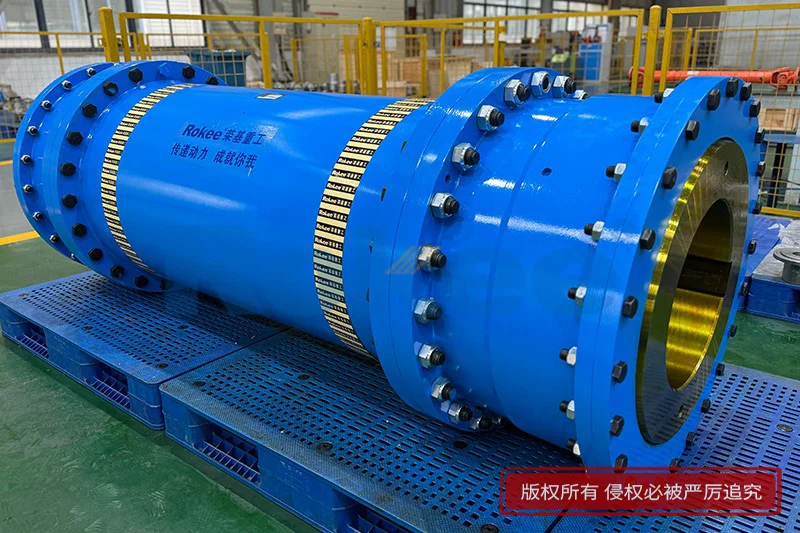
Flexible Gear Couplings
Mar 24, 2026Flexible gear coupling is a high-performance coupling device that transmits torque through gear meshing. It combines the high torque characteristics of traditional gear transmission with the … -
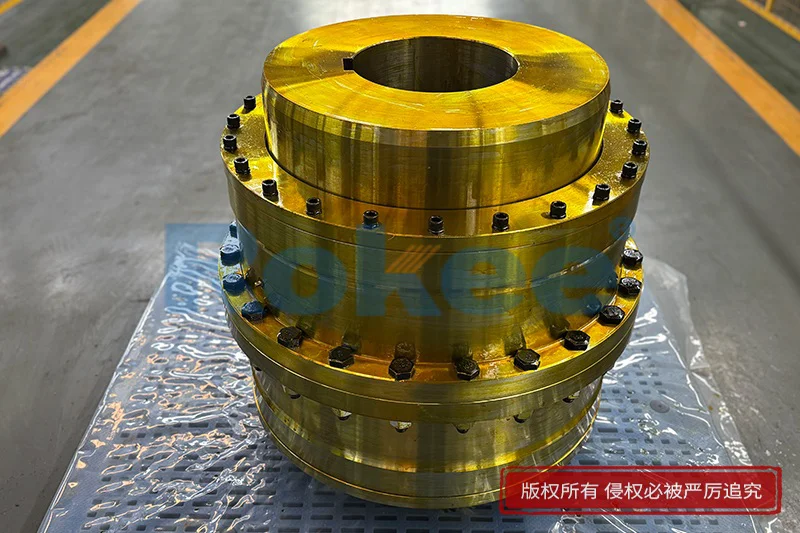
Brake Drum Gear Couplings
Mar 24, 2026The brake drum gear coupling is an advanced mechanical transmission device that integrates braking function. It combines traditional drum gear couplings with braking systems and demonstrates … -
Curved Tooth Gear Couplings
Mar 24, 2026Curved Tooth Gear Coupling is a flexible coupling with a unique structure. It achieves shaft to shaft connection through a specially designed drum shaped gear profile, which can effectively c… -
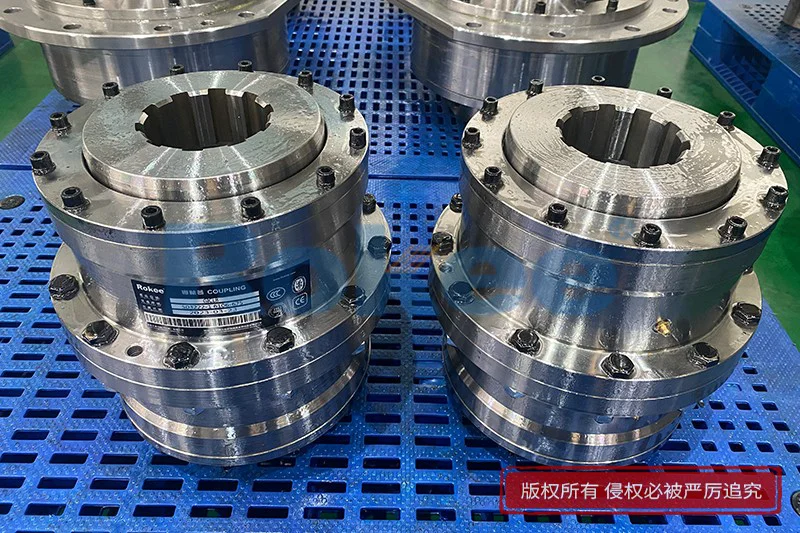
Curved Tooth Couplings
Feb 27, 2026Curved tooth coupling is an advanced high-performance mechanical transmission component that plays a crucial role in modern industrial equipment. This type of coupling is named after its spec… -
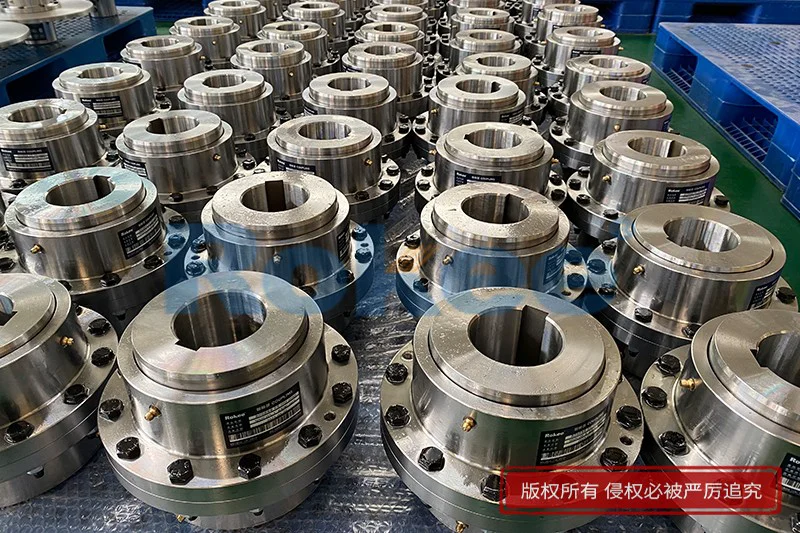
Crown Gear Couplings
Feb 27, 2026Crown gear coupling is a precision mechanical component widely used in industrial transmission systems, belonging to a special form of gear coupling. Compared with traditional spur gear coupl… -
Tooth Couplings
Jan 20, 2026Tooth coupling is a flexible coupling widely used in industrial machinery transmission systems, which achieves power transmission through the meshing of internal and external gears, while all… -
Toothed Couplings
Jan 20, 2026Toothed Coupling is a commonly used connecting device in mechanical transmission systems, which transmits torque and motion through gear meshing. This type of coupling is widely used in heavy… -
Gear Couplings
Jan 20, 2026Gear coupling is a flexible coupling that transmits torque through the meshing of internal and external gears, playing a key role in modern mechanical transmission systems. This type of coupl…