JS GRID COUPLING
Rokee is a well-known JS GRID COUPLING supplier from china, the page show cases of JS GRID COUPLING, provide customized services based on user's drawings, and supporting exports.
JS grid coupling stands as a highly versatile metal elastic coupling in modern mechanical transmission systems, engineered to connect two rotating shafts, transmit torque efficiently, and compensate for axial, radial, and angular misalignments between connected components while absorbing shock and vibration. Unlike rigid couplings that demand perfect shaft alignment and offer no flexibility, this coupling integrates a unique serpentine grid spring as its core elastic component, paired with precision-machined hub structures and protective outer covers, creating a balance between high torque transmission capacity and flexible adaptive performance. Its design philosophy centers on durable metal elasticity, eliminating the rapid wear and failure risks associated with non-metallic elastic elements, making it suitable for continuous heavy-duty operation across diverse industrial environments. The fundamental working mechanism relies on the serpentine grid spring, which is embedded into the specially machined tooth grooves of two coupling hubs; as torque is applied, the spring deforms slightly along the curved tooth surfaces, transferring rotational force smoothly while accommodating minor shaft deviations and dampening sudden load fluctuations. This structural design not only enhances operational stability but also extends the service life of the entire transmission system, reducing maintenance frequency and downtime for industrial equipment.
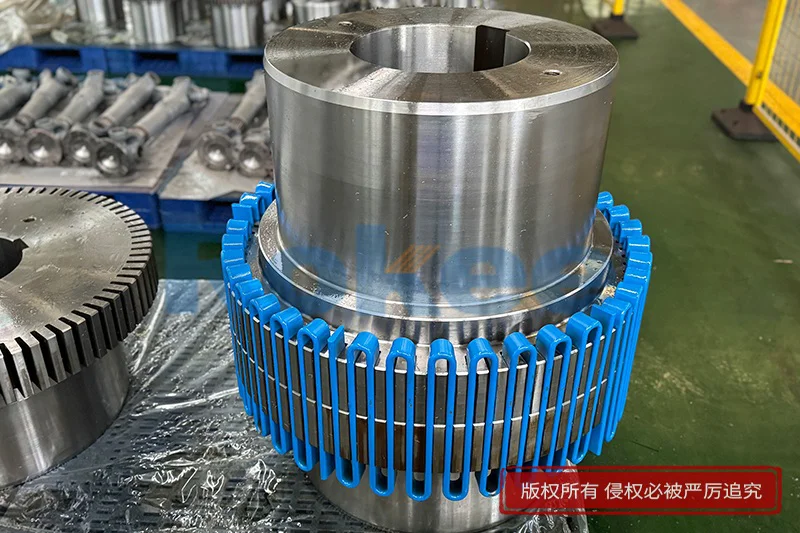
The JS grid coupling family encompasses multiple structural varieties, each tailored to distinct performance requirements and installation scenarios, with core differences lying in mounting methods, connection configurations, speed adaptability, and auxiliary functional designs. The standard radial mounting JS type serves as the foundational model, featuring a protective cover installed via radial positioning, which simplifies assembly and disassembly in confined working spaces where axial movement of shafts is restricted. This basic variant prioritizes universal applicability, offering moderate misalignment compensation, stable torque transmission, and compatibility with most general industrial machinery operating at medium speeds and loads. In contrast, the JSB axial mounting type is optimized for scenarios where axial installation space is sufficient and quick component replacement is needed; its cover and internal grid spring can be installed or removed along the shaft axis without shifting the connected equipment, streamlining routine maintenance and part replacement processes. This variant maintains the same core torque capacity as the standard JS type but enhances installation flexibility, making it ideal for fixed equipment setups with regular inspection schedules.
Further expanding the product range, the JSS double flange connection type and JSD single flange connection type are designed for specialized shaft connection requirements, differing in flange structure and connection adaptability. The JSS variant features double flanges on both hubs, enabling direct connection between two shafts with matching flange interfaces, delivering enhanced torsional rigidity and improved concentricity during high-speed rotation; it is engineered for transmission systems that require precise power delivery and minimal radial runout. The JSD single flange type, equipped with a single flange on one hub and a standard hub on the other, caters to asymmetric shaft connection setups, such as linking a motor output shaft to a reducer input shaft with non-uniform end structures, offering flexible adaptability without compromising torque transmission efficiency. Both variants retain the grid spring’s elastic damping performance, ensuring shock absorption even under fluctuating load conditions, and feature reinforced hub structures to withstand higher radial and axial stresses compared to the basic models.
For long-distance shaft connections, the SJS intermediate shaft type JS grid coupling is a specialized variant that integrates an extended intermediate shaft between the two standard hubs, solving the problem of power transmission between shafts separated by a significant gap. This model maintains consistent elastic performance and misalignment compensation across the extended connection, preventing excessive stress accumulation that often occurs with rigid long-shaft connections, and is widely used in industrial systems where prime movers and working machines are physically separated. The JSG high-speed type is precision-engineered to meet the demands of high rotational speed transmission, with optimized grid spring geometry, balanced hub machining, and streamlined cover design to minimize centrifugal force and vibration at elevated speeds. Its internal components are dynamically balanced to strict standards, reducing noise generation and preventing resonance that could damage bearings and shaft seals, making it suitable for high-speed rotating equipment such as compressors and turbine-driven machinery. Additionally, specialized variants including the JSZ brake wheel type, JSP brake disc type, and JSA safety type add targeted functional features without altering the core grid coupling performance: the JSZ and JSP models integrate braking components for emergency stop and parking functions in heavy machinery, while the JSA safety type is designed with overload protection mechanisms that disengage temporarily under extreme torque surges to protect the transmission system from catastrophic damage, then reset automatically once the overload condition is resolved.
Across all varieties, the JS grid coupling exhibits consistent core performance traits that define its industrial value, with nuanced variations to suit specific operational demands. Foremost is its exceptional torque transmission capacity, capable of handling both rated continuous torque and significant short-term overloads, typically up to twice the rated torque without permanent deformation, a critical advantage in equipment with frequent start-stop cycles or sudden load spikes such as crushers and conveyor systems. The elastic grid spring structure delivers superior vibration and shock damping, absorbing up to 60% more vibrational energy than conventional rigid or non-metallic elastic couplings, reducing wear on bearings, gears, and shaft components, and extending the overall service life of the entire transmission system. This damping effect is particularly pronounced in reciprocating machinery and heavy-duty equipment, where sudden load changes are common, as it smooths power delivery and eliminates harsh mechanical impacts.
Misalignment compensation is another key performance metric, with all JS grid coupling variants offering reliable accommodation for axial, radial, and angular deviations caused by manufacturing tolerances, installation errors, thermal expansion, or operational load deformation. Axial displacement compensation ranges from several millimeters to accommodate shaft elongation under temperature changes, radial displacement compensation handles minor shaft offset issues, and angular compensation corrects slight tilting between connected shafts; importantly, these three types of misalignment can be compensated simultaneously without sacrificing transmission efficiency. The coupling maintains high mechanical efficiency, typically exceeding 99% under normal operating conditions, minimizing energy loss during power transmission and contributing to overall equipment energy savings. Constructed from high-strength alloy steel for the grid spring and high-grade cast steel or forged steel for the hubs, it exhibits excellent environmental adaptability, operating stably within a wide temperature range and resisting damage from dust, moisture, and mild industrial contaminants, with the protective outer cover preventing lubricant leakage and external debris from entering the internal working components.
Durability and ease of maintenance further enhance the performance appeal of JS grid couplings. The metal grid spring, subjected to specialized heat treatment and precision forming processes, offers exceptional fatigue resistance, avoiding the rapid degradation common with non-metallic elastic elements like rubber or plastic, resulting in a significantly longer service life in continuous operation. The modular structure of the coupling allows for targeted component replacement—only the grid spring needs replacement when worn, without disassembling the entire hub or shaft connection, reducing maintenance time and operational costs. Lubrication requirements are minimal, with a one-time initial lubrication sufficient for long-term operation, and routine inspections focus solely on checking spring wear and lubricant levels, making it a low-maintenance solution for industrial systems with limited access for regular servicing.
The diverse performance profiles of JS grid coupling variants translate to wide-ranging industrial applications, covering nearly every sector that relies on mechanical power transmission. In heavy industry, including mining, metallurgy, and construction machinery, the standard JS, JSB, and JSS variants are extensively used in crushers, ball mills, rolling mills, and conveyor systems, where high torque transmission, shock absorption, and resistance to heavy loads are essential. These couplings handle the extreme load fluctuations and harsh operating conditions of mining and quarrying equipment, protecting drive motors and gearboxes from impact damage and ensuring continuous production in rugged environments. In the energy sector, including power generation, oil and gas, and wind energy, the JSG high-speed type and SJS intermediate shaft type are deployed in generators, turbines, compressors, and oil drilling equipment, where high-speed rotation, precise power delivery, and long-distance shaft connection are required. Their high efficiency and vibration damping properties optimize energy output and reduce mechanical stress in critical power generation components, supporting reliable and stable energy production.
In marine and shipbuilding applications, JS grid couplings are utilized in propulsion systems, pump drives, and auxiliary machinery, thanks to their compact structure, corrosion-resistant material options, and ability to compensate for shaft misalignment caused by hull deformation and wave-induced vibration. The marine-adapted variants maintain stable performance in humid, salt-spray environments, ensuring safe and reliable operation of marine transmission systems. For general industrial machinery, including pumps, fans, reducers, and mixers, the basic JS and JSB types provide a cost-effective, high-performance connection solution, balancing flexibility and rigidity to suit medium-load, continuous operation scenarios. In transportation and lifting equipment, such as cranes, hoists, and material handling machinery, the JSZ and JSP brake-integrated variants offer reliable power transmission combined with efficient braking functionality, ensuring safe operation in load-lifting and material movement applications.
Beyond heavy-duty and general industrial use, JS grid couplings also find application in precision mechanical systems where stable torque transmission and minimal vibration are critical, such as large-scale machine tools, textile machinery, and printing equipment. While precision machinery often demands tighter alignment tolerances, the moderate misalignment compensation and excellent damping of the coupling reduce vibrational interference with machining accuracy and production quality, making it a suitable choice for medium-precision industrial equipment. The JSA safety variant is particularly valuable in critical transmission systems where overload protection is mandatory, such as in chemical processing machinery and large-scale material processing equipment, preventing costly system failures and ensuring operational safety for both equipment and personnel.
The selection of the appropriate JS grid coupling variant depends on a comprehensive assessment of operational parameters, including torque requirements, rotational speed, shaft alignment conditions, installation space constraints, environmental conditions, and auxiliary functional needs. Engineers must evaluate the magnitude and variability of transmitted torque, the degree of expected shaft misalignment, operating speed ranges, and environmental factors such as temperature, humidity, and dust levels to match the coupling’s performance characteristics to the equipment’s operational demands. Proper selection ensures optimal performance, maximum service life, and minimal maintenance, while incorrect matching can lead to premature wear, increased vibration, and reduced transmission efficiency. Regardless of the variant chosen, the core design advantages of the JS grid coupling—high torque capacity, elastic flexibility, shock damping, and durable construction—remain consistent, solidifying its position as a foundational component in modern mechanical transmission engineering.
In summary, the JS grid coupling’s multiple structural varieties cater to a broad spectrum of industrial performance needs, each refined to address specific installation, speed, load, and functional requirements while retaining the core benefits of metal elastic grid technology. Its unique combination of high torque transmission, misalignment compensation, vibration damping, and long-term durability sets it apart from conventional coupling designs, offering a reliable and efficient solution for nearly all mechanical power transmission scenarios. As industrial machinery continues to evolve toward higher loads, faster speeds, and greater operational reliability, the JS grid coupling remains a preferred choice across global industries, adapting to new technological demands through incremental design optimizations while maintaining its core structural and performance advantages. Its widespread adoption across mining, energy, manufacturing, marine, and general industrial sectors underscores its versatility and engineering value, making it an indispensable component in the seamless operation of modern industrial systems.
With excellent quality, we have been continuously providing many coupling products of various categories and uses complying with multiple standards and a full range of services, from the product selection to final installation and operation, for the industry fields of ferrous metallurgy, nuclear power, gas turbine, wind power, ropeway construction, lifting transportation, general equipment, etc.
pu sandwich panel line,pu sandwich panel machine,sandwich panel machine
« JS GRID COUPLING » Update Date: 2026/3/25 , https://www.rokeecoupling.net/cases/js-grid-coupling.html
Other Cases
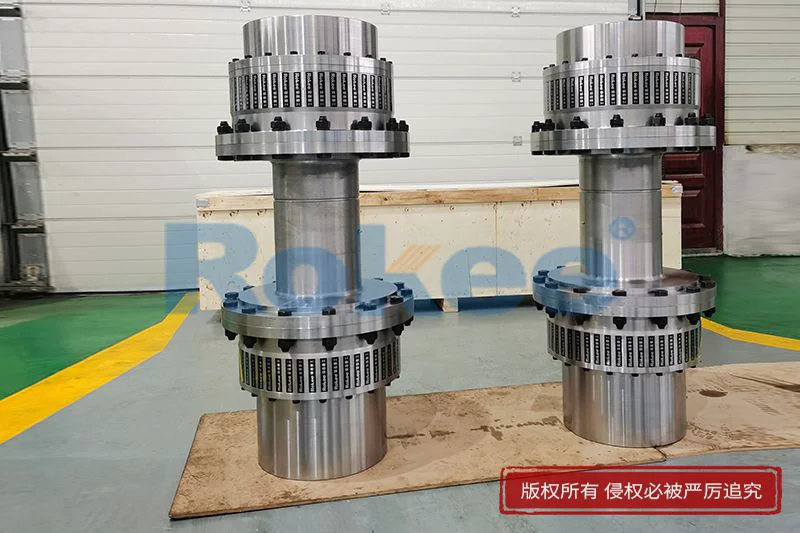 Tooth Coupling With Intermediate Shaft
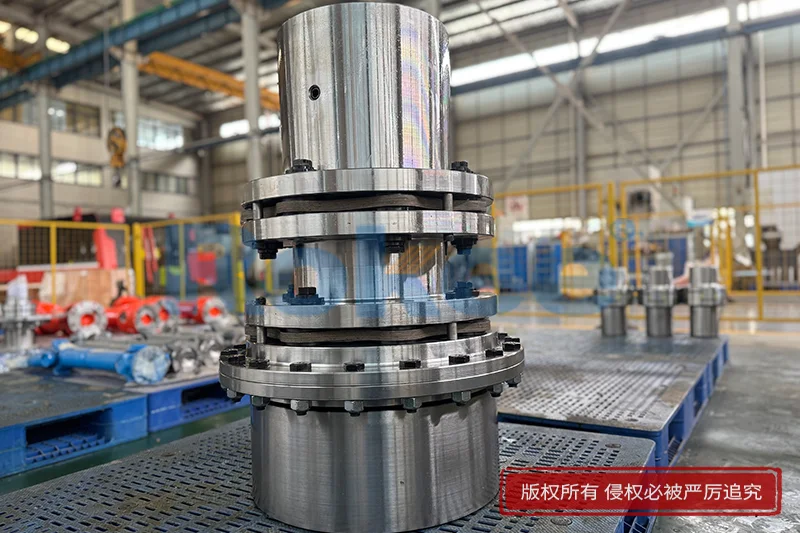 Double Diaphragm Coupling Exported To Russia
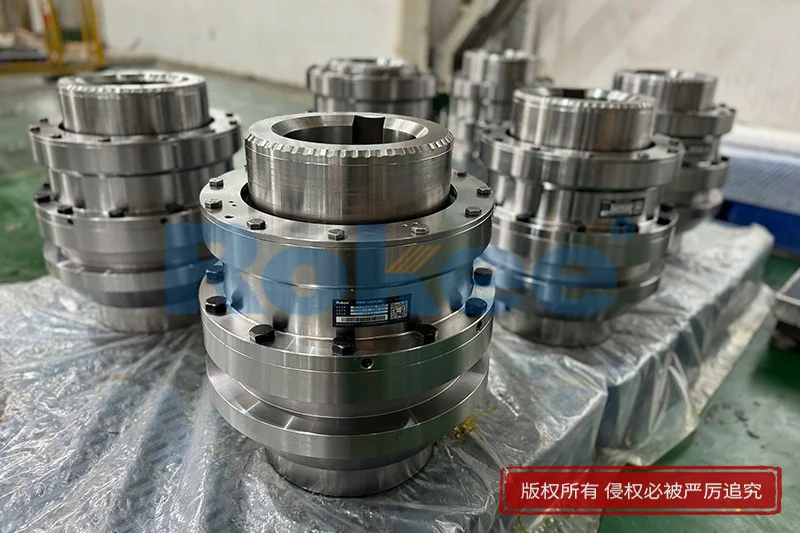 Clutch Type Drum Gear Coupling
 Crown Gear Coupling With Intermediate Shaft
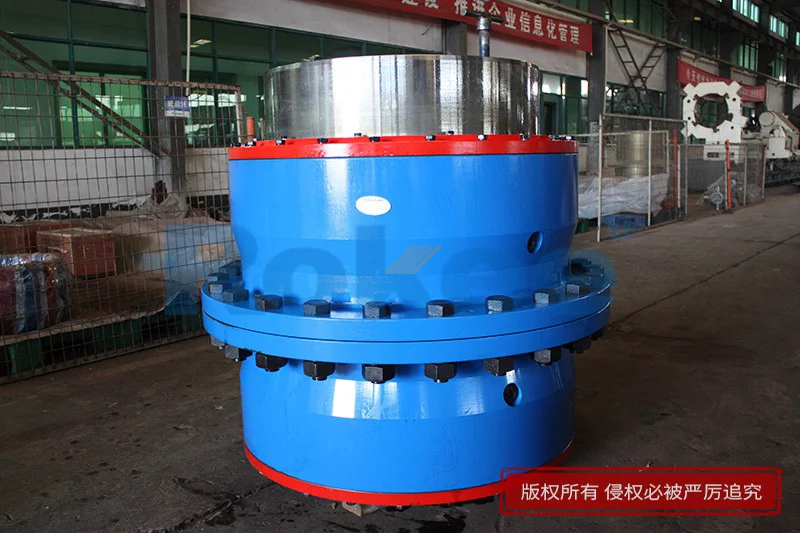 Large Crown Gear Coupling
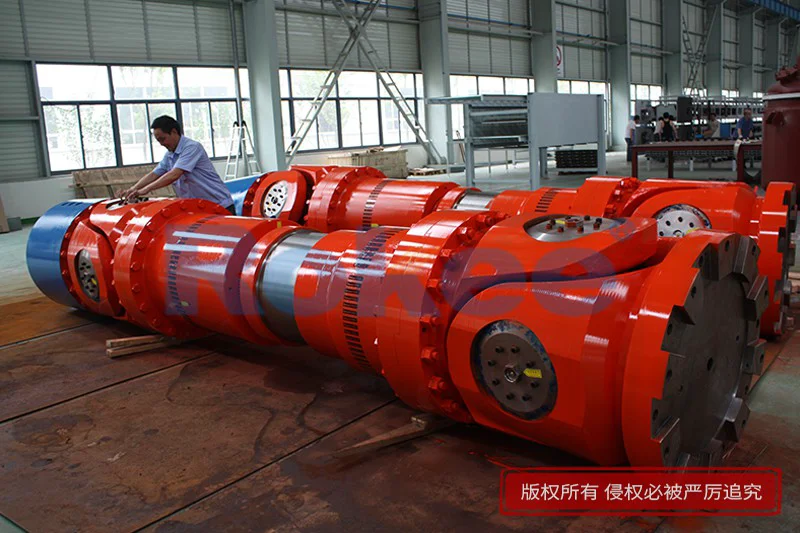 Metallurgical Steel Rolling Cardan Shaft
 Drum Gear Coupling With Intermediate Shaft
 Safety Gear Couplings
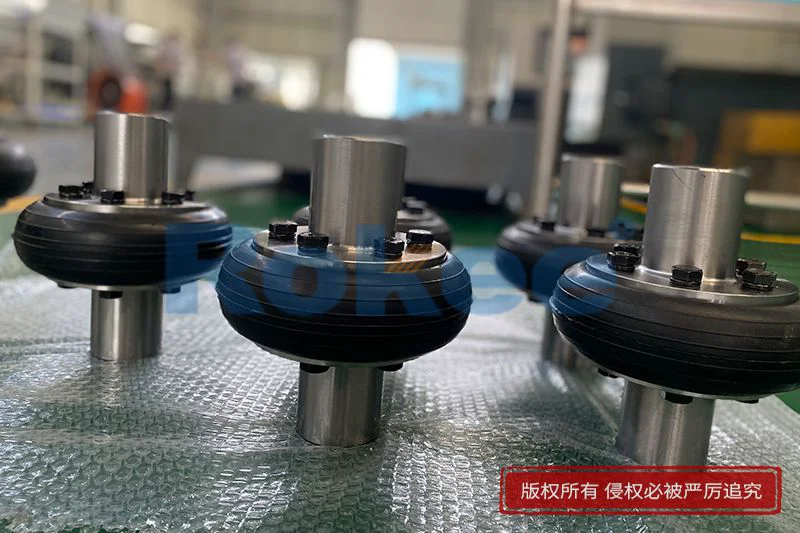 LLB Tire Coupling
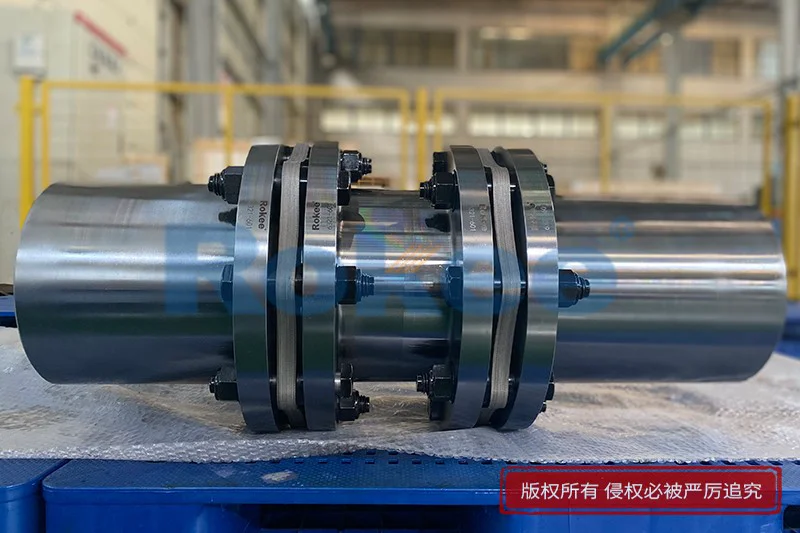 Two-way Metal Diaphragm Coupling