
Steel Laminae Couplings
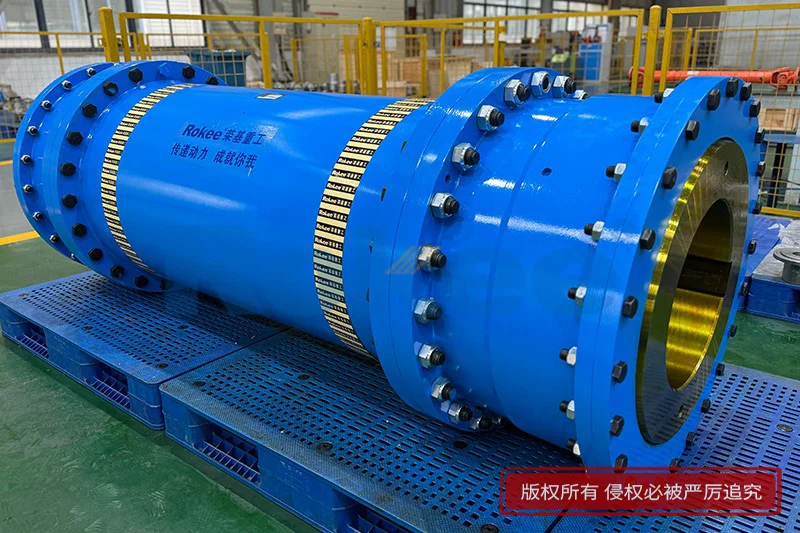
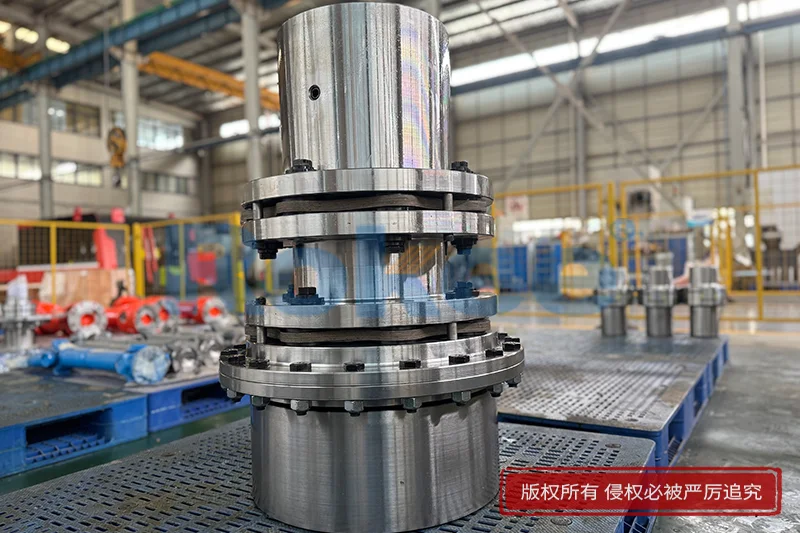
Steel Laminae Coupling is a kind of high-performance metal flexible coupling, which compensates axial and angular displacements by the deformation of elastic diaphragm while transferring torque. Diaphragm Coupling features with compact structure, large transmission torque, long service life, maintenance-free, high temperature resistance, acid and alkali resistance, and corrosion resistance, suitable for shafting transmission in high temperature, high speed and corrosive environment.
Plum Blossom Couplings
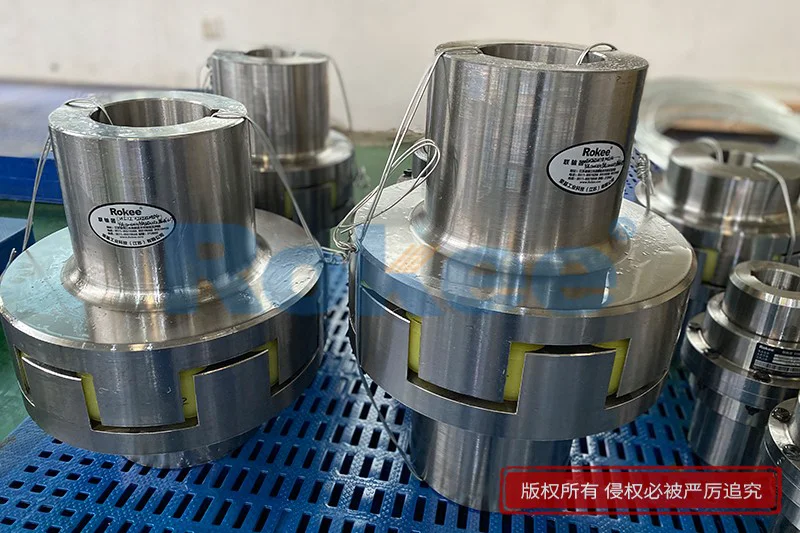
The plum blossom coupling is composed of two semi-couplings with convex claws and a plum-shaped flexible non-metallic element whose hardness can be adjusted. By embedding the plum-shaped flexible element into the two semi-couplings to realize the connection, plum coupling has the characteristics of compensating the relative displacement of the two axes, reducing vibration and buffering, simple structure and easy maintenance without lubrication.
Pin & Bush Couplings
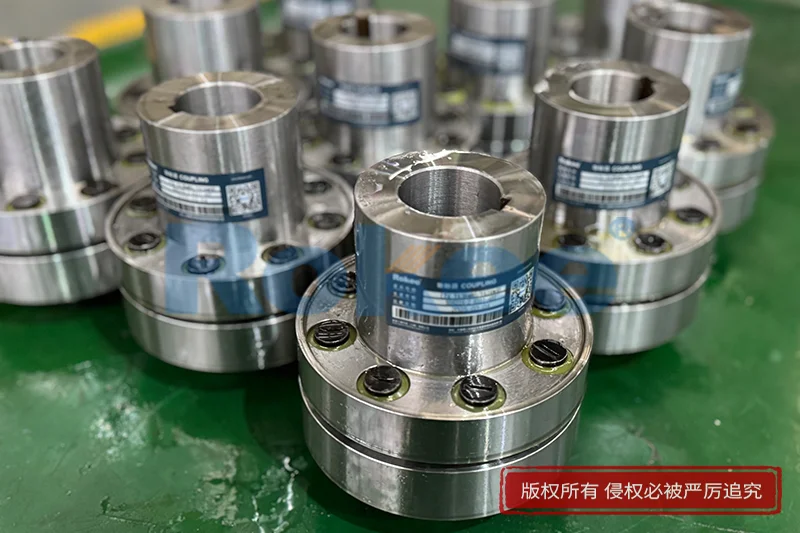
The flexible pin gear coupling is designed with non-metallic flexible pin, two toothed semi-couplings and a toothed sleeve ring with an outer ring. It uses non-metallic flexible deformation to transfer torque and cushion shock and compensate angular displacement. The flexible pin coupling is a basic transmission parts that has simple structure, needs no lubrication, and is easy to manufacture, install and disassemble the flexible pin. It uses two semi-couplings with flange holes and a non-metallic flexible pin for crane to transmit torque, suitable for low-to-medium speed and low-to-medium torque occasions. The design of the pin bush coupling is simple and clever in design and has wide applicability. It uses the pin with elastic sleeve to connect two semi-couplings with pin holes to realize torque transmission and larger angular compensation. At the same time, it has good shock absorption and buffering performance, which can be used in high-speed occasions without lubrication and requiring easy pin sleeve replacement.
Tyre Couplings
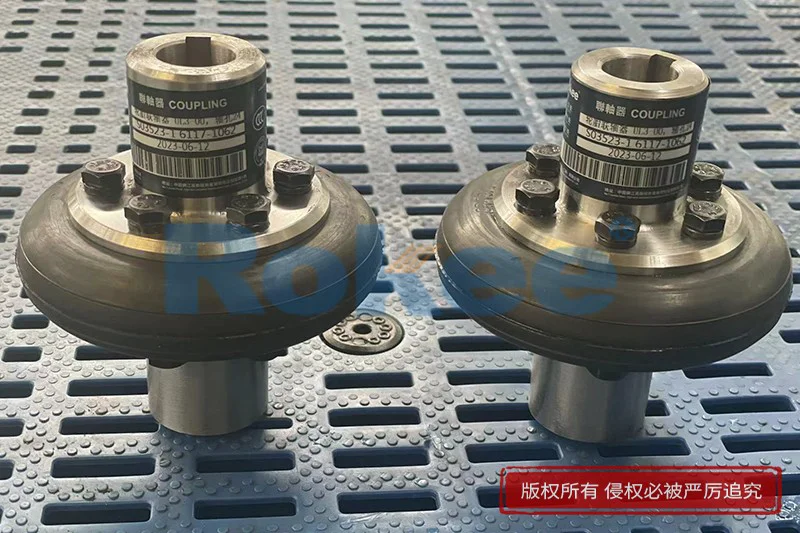
The tyre coupling adopts tyre body-shaped rubber elements, which are connected with two semi-couplings through bolts to realize torque transmission and displacement compensation. Tyre coupling has high elastic performance, small torsional rigidity, strong damping capacity, large axial compensation capacity, and good damping performance.
Drum Couplings
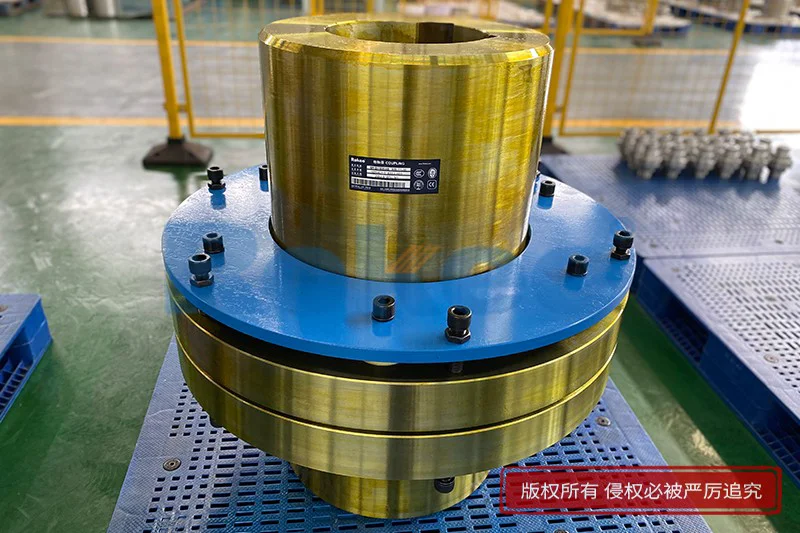
The drum coupling is an important part in the transmission system of crane equipment. It connects the power input shaft of the reducer with the drum, transmits torque and restricts the axial movement of the drum at the same time. It also has mechanical or electronic wear alarm, and is one of the core parts of the drum crane mechanism.
In the broad landscape of mechanical power transmission, flexible couplings stand as indispensable components that bridge rotating shafts, transfer torque efficiently, and address the inherent challenges of shaft misalignment, vibration, and mechanical shock in dynamic operating systems. Unlike rigid couplings that demand perfect shaft alignment and offer no tolerance for positional shifts, flexible couplings are engineered to balance reliable torque transmission with controlled flexibility, protecting connected machinery such as motors, gearboxes, pumps, compressors, and precision drive systems from premature wear, fatigue failure, and operational inefficiency. Every aspect of a flexible coupling’s design—from its material composition and internal geometry to its assembly configuration—directly shapes its performance profile, including misalignment compensation capacity, torsional stiffness, vibration damping, load-bearing capability, and service life. This holistic integration of structure and function makes flexible couplings adaptable to a vast spectrum of industrial and precision engineering scenarios, with distinct varieties tailored to meet unique operational demands, from low-speed heavy-duty machinery to high-precision motion control systems that require zero backlash and consistent torque delivery.
To understand the core performance of elastic couplings, it is critical to first examine the fundamental structural principles that define their functionality. At its most basic, a elastic coupling consists of two hub components that attach to the driving and driven shafts, paired with a flexible intermediate element or mechanical joint that enables relative movement between the two hubs. This flexible element is the heart of the coupling, as it determines the degree and type of misalignment the unit can accommodate, as well as its ability to absorb vibration and shock loads. There are three primary forms of shaft misalignment that flexible couplings are designed to handle: angular misalignment, where the centerlines of the two shafts intersect at a slight angle; parallel misalignment, where the shaft centerlines remain parallel but are offset from one another; and axial misalignment, which involves slight back-and-forth movement of the shafts along their longitudinal centerlines. High-quality flexible couplings are often engineered to compensate for all three types of misalignment simultaneously, a feature that prevents excessive stress on shaft bearings, seals, and connected components, which is a common cause of unplanned downtime and maintenance costs in mechanical systems.
Torsional stiffness is another key performance metric tied directly to structural design, representing the coupling’s resistance to angular deformation under applied torque. Couplings with high torsional stiffness maintain precise rotational synchronization between driving and driven shafts, making them ideal for precision applications where positional accuracy is non-negotiable, such as servo systems, CNC machinery, and measuring instruments. In contrast, couplings with lower torsional stiffness offer greater flexibility and superior vibration damping, making them suitable for equipment that operates with intermittent loads, mechanical shock, or high levels of operational vibration, such as industrial fans, conveyor systems, and heavy-duty pump units. Beyond stiffness and misalignment compensation, structural design also influences other critical performance traits: backlash, or the rotational play between components when torque direction reverses; wear resistance under continuous operation; resistance to environmental factors such as temperature fluctuations, moisture, and chemical exposure; and overall mechanical efficiency in torque transmission. Materials play a pivotal role here as well, with metallic components like alloy steel, stainless steel, and aluminum offering high strength and durability for heavy-load applications, and elastomeric materials, engineered polymers, and thin metal membranes providing flexibility, damping, and lightweight performance for precision or medium-duty use cases.
Flexible couplings are categorized into distinct varieties based on their structural design, flexible element type, and operational performance characteristics, with each category optimized for specific load conditions, speed ranges, and misalignment requirements. One of the most widely used categories is elastomeric jaw couplings, which feature two toothed metal hubs and a resilient elastomeric spider positioned between the jaws to transmit torque and absorb misalignment. The elastomeric spider acts as both a flexible medium and a damping element, reducing vibration and noise while compensating for moderate levels of angular, parallel, and axial misalignment. These couplings are valued for their simple, compact design, ease of installation and maintenance, and cost-effective performance, making them a staple in general industrial machinery such as centrifugal pumps, air compressors, blowers, and small to medium-sized motor-driven systems. They operate efficiently across moderate speed and torque ranges, and the replaceable elastomeric spider allows for quick repairs without disassembling the entire coupling or shaft assembly, enhancing overall system uptime.
Metal disc couplings represent another prominent category, distinguished by their torsionally stiff, backlash-free design and reliance on thin, stacked metal discs as the flexible element. These couplings consist of two hubs and a series of precision-formed metal discs that are bolted between the hubs, transmitting torque through the flexing of the disc material rather than mechanical sliding or friction. The thin metal discs can accommodate small to moderate levels of misalignment while maintaining exceptional torsional rigidity, ensuring consistent rotational accuracy even at high operating speeds. Unlike elastomeric couplings, disc couplings require no lubrication and have a long service life with minimal wear, as there are no sliding components to degrade over time. This combination of high precision, durability, and low maintenance makes them ideal for high-speed, high-torque applications where positional accuracy is critical, including servo drive systems, printing machinery, textile manufacturing equipment, aerospace test systems, and turbomachinery. They are also well-suited for clean operating environments and applications where consistent torque transmission without energy loss is essential, as their efficient power transfer minimizes heat generation and mechanical waste.
Gear couplings fall into the category of mechanical elastic couplings, designed for heavy-duty, high-torque applications that demand exceptional load-bearing capacity and robust misalignment compensation. Structurally, gear couplings feature two hub components with external gear teeth and an outer sleeve with internal gear teeth that mesh with the hub teeth, creating a flexible gear joint that allows for relative movement between the shafts. The curved gear teeth design enables the coupling to compensate for significant angular and parallel misalignment, as well as axial movement, while transmitting extremely high torque levels efficiently. These couplings are typically constructed from hardened alloy steel to withstand heavy loads, shock impacts, and continuous operation in demanding industrial environments. While they require periodic lubrication to maintain smooth gear meshing and prevent wear, their unmatched strength and durability make them the preferred choice for heavy machinery such as large industrial pumps, crushers, mills, marine propulsion systems, conveyor drives, and heavy-duty manufacturing equipment. They excel in applications where machinery operates under extreme loads, variable torque conditions, and harsh environmental factors that would compromise the performance of lighter, elastomer-based couplings.
Beam couplings, also referred to as helical or flexured couplings, are a precision-focused variety characterized by their single-piece, machined flexible beam design that eliminates the need for separate assembly components. The flexible beam section features precision-cut helical or straight slots that allow the coupling to flex and compensate for minor misalignment while maintaining zero backlash and consistent torque transmission. Constructed from lightweight metals such as aluminum or stainless steel, beam couplings have low inertia, making them perfect for high-speed, low-to-medium torque applications where rapid acceleration and deceleration are common. Their compact, simple structure requires no maintenance and offers excellent rotational balance, which is critical for precision instruments, encoders, sensors, medical diagnostic equipment, small CNC machines, and robotics. These couplings are not designed for heavy loads, but their exceptional precision, responsiveness, and durability in dynamic motion control systems make them irreplaceable in industries where even the smallest positional error can impact product quality or operational safety.
Other specialized varieties of elastic couplings include grid couplings, chain couplings, bellows couplings, and Oldham couplings, each tailored to address unique operational challenges. Grid couplings feature a flexible steel grid element that fits into slotted hubs, combining high torque capacity with effective shock absorption and vibration damping, making them suitable for heavy-duty systems with intermittent loads. Chain couplings use a roller chain to connect two sprocket hubs, offering simple construction, high torque transmission, and moderate misalignment compensation, ideal for rugged, low-speed industrial applications. Bellows couplings utilize a thin, convoluted metal bellows as the flexible element, providing ultra-high precision, zero backlash, and excellent misalignment compensation for sensitive laboratory equipment, optical systems, and high-precision manufacturing machinery. Oldham couplings feature a three-piece design with two hubs and a central sliding disk, excelling at compensating for large parallel misalignment while maintaining torsional rigidity, commonly used in linear actuators, stepper motor systems, and assembly line machinery. Each of these varieties is a product of targeted structural engineering, with every design choice made to optimize specific performance traits for a defined set of operational conditions.
The versatility of elastic couplings is reflected in their widespread use across nearly every industrial sector, as they solve universal mechanical challenges related to shaft connection and power transmission. In general manufacturing, they are integrated into conveyor systems, material handling equipment, machine tools, and assembly lines, ensuring smooth power transfer and reducing wear on critical components in continuous production environments. In the fluid handling industry, flexible couplings are essential for pumps, compressors, and fans, compensating for shaft misalignment caused by thermal expansion, operational vibration, and installation tolerances, while extending the service life of seals and bearings. Precision engineering and automation sectors rely heavily on high-precision flexible couplings like disc, beam, and bellows couplings to maintain accuracy in robotics, CNC machinery, servo systems, and measurement devices, where consistent motion control is vital for product quality and operational efficiency. Heavy industries such as mining, construction, and marine engineering depend on robust gear and grid couplings to handle extreme torque loads, shock impacts, and harsh operating conditions, ensuring reliable performance in heavy machinery that operates around the clock. Additionally, flexible couplings play a critical role in renewable energy systems, medical equipment, aerospace testing, and automotive manufacturing, adapting to the unique performance demands of each sector while delivering consistent, reliable power transmission.
Selecting the appropriate elastic coupling for a specific application requires a comprehensive analysis of operational parameters, including torque load, operating speed, type and degree of shaft misalignment, environmental conditions, and precision requirements. A coupling that excels in high-precision, low-load applications will fail to perform in a heavy-duty, high-torque setting, and vice versa, highlighting the importance of matching structural design and performance traits to real-world operational needs. Proper installation and routine maintenance, such as lubrication for gear couplings and replacement of worn elastomeric elements for jaw couplings, further enhance the performance and service life of flexible couplings, ensuring they continue to protect connected machinery and maintain efficient power transmission over time. As mechanical engineering technology advances and industrial systems become more sophisticated, the design and material innovation of flexible couplings continue to evolve, with new variants offering improved performance, greater durability, and enhanced adaptability to emerging industrial demands. From small-scale precision instruments to massive industrial machinery, flexible couplings remain a foundational component of modern mechanical systems, proving that even the most compact components can have a profound impact on the reliability, efficiency, and longevity of entire operational setups.
In summary, flexible couplings are far more than simple shaft connectors; they are precision-engineered solutions that harmonize torque transmission, misalignment compensation, vibration damping, and mechanical protection. Their structural diversity, ranging from simple elastomeric designs to complex metallic precision assemblies, allows them to cater to an unparalleled range of industrial applications, each variant crafted to address specific performance challenges. The correlation between structural design and functional performance is the cornerstone of their utility, with every material choice, geometric feature, and assembly detail contributing to their overall effectiveness. As industrial systems continue to advance toward higher efficiency, greater precision, and more robust durability, flexible couplings will remain essential components, evolving alongside technological progress to meet the ever-changing needs of mechanical power transmission across global industries. Their ability to adapt to diverse operational conditions while safeguarding critical machinery solidifies their role as a vital and irreplaceable element in modern engineering and manufacturing.
-
Flexible Jaw Couplings
Mar 24, 2026In the realm of mechanical power transmission, couplings play a pivotal role in connecting rotating shafts, enabling efficient torque transfer while mitigating the adverse effects of shaft mi… -
Flexible Gear Couplings
Mar 24, 2026Flexible gear coupling is a high-performance coupling device that transmits torque through gear meshing. It combines the high torque characteristics of traditional gear transmission with the … -
Flexible Pin Bush Couplings
Mar 24, 2026Flexible Pin Bush Coupling is a flexible coupling device widely used in industrial transmission systems. It connects two shafts through special elastic elements and can compensate for axial, … -
Bush Pin Flexible Couplings
Jan 20, 2026Bush Pin Flexible Coupling is a flexible coupling widely used in mechanical transmission systems. It connects two shafts through elastic elements (usually rubber or polyurethane elastic sleev… -
Flexible Membrane Couplings
Jan 20, 2026Flexible Membrane Coupling is a high-performance coupling that compensates for the relative displacement of two shafts through the elastic deformation of a metal diaphragm. Compared with trad… -
Flexible Couplings
Jan 20, 2026A flexible coupling is a mechanical connection device that can transmit torque between two shafts while allowing for a certain degree of axial, radial, and angular misalignment. Unlike rigid … -
Pin Type Flexible Couplings
Dec 24, 2025In the realm of mechanical power transmission, couplings are indispensable components that establish a reliable connection between rotating shafts, enabling efficient torque transfer while ad… -
Rubber Flexible Couplings
Dec 24, 2025In the intricate landscape of mechanical power transmission, couplings serve as the critical link between rotating shafts, enabling efficient torque transfer while mitigating the adverse effe…