-

SWC-BH Cardan Shaft
SWC-BH Standard Telescopic Welded Universal Joint CouplingView More -

SWC-CH Cardan Shaft
SWC-CH Long Telescopic Welded Universal Joint CouplingView More -

SWC-DH Cardan Shaft
SWC-DH Short Telescopic Welded Universal Joint CouplingView More -

SWC-WD Cardan Shaft
SWC-WD Non-telescopic Short Universal Joint CouplingView More -

SWC-WH Cardan Shaft
SWC-WH Non-telescopic Welded Universal Joint CouplingView More -

SWP-A Cardan Shaft
SWP-A Has A Telescopic Long Cross Universal Joint CouplingView More -

SWP-B Cardan Shaft
SWP-B Has A Telescopic Short Cross Universal Joint CouplingView More -

SWP-C Cardan Shaft
SWP-C Non-telescopic Short Cross Universal Joint CouplingView More -

SWP-D Cardan Shaft
SWP-D Non-telescopic Long Cross Universal Joint CouplingView More
In the vast landscape of mechanical power transmission, the cardan shaft, commonly referred to as a universal joint shaft or drive shaft with universal joints, stands as one of the most versatile and indispensable components for transferring rotational torque and motion between two shafts that are not collinear, misaligned at fixed or variable angles, or subject to axial movement during operation. Unlike rigid shaft couplings that demand perfect alignment between driving and driven components, cardan shafts are engineered to accommodate angular, parallel, and axial misalignments while maintaining consistent power delivery, making them a cornerstone of nearly every industry that relies on rotary motion—from automotive and agricultural machinery to heavy industrial equipment, marine propulsion systems, and aerospace auxiliary mechanisms.
At its core, a standard cardan shaft coupling is a precision-engineered mechanical assembly composed of several interconnected critical components, each designed to work in harmony to handle torque loads, angular deflection, and rotational stress. The primary building blocks include universal joint heads (also known as U-joints), a central shaft body (often tubular or solid, depending on load requirements), yoke assemblies, bearing components, splined connections for axial adjustment, and locking or fastening elements to secure the entire structure. The most basic and widely used universal joint design, the Hooke’s joint, features two fork-shaped yokes—one attached to the input driving shaft and the other to the output driven shaft—and a central cross-shaped component called a spider or cross shaft. This cross shaft fits into precision-machined bearing seats within each yoke, typically supported by needle roller bearings, which reduce friction and enable smooth pivoting movement in two perpendicular planes. The needle roller bearings are critical for minimizing wear and energy loss under high torque and repeated angular movement, as they distribute contact pressure evenly across the bearing surface and handle both radial and thrust loads generated during rotation. For heavier-duty applications, the central shaft body is often constructed from high-strength alloy steel, formed into a seamless tubular design to optimize strength-to-weight ratio; tubular shafts reduce overall mass while maintaining torsional rigidity, which is vital for high-speed operation to prevent excessive vibration and flexing. Solid shaft cores are reserved for extreme heavy-load, low-speed scenarios where maximum torque capacity and resistance to bending are non-negotiable. Many cardan shafts also integrate a slip joint or splined shaft section, which allows for linear axial movement between the yoke and the central shaft body. This feature is essential in applications where the distance between the driving and driven components changes dynamically, such as vehicle suspension systems or mobile machinery with adjustable working positions, as it eliminates the risk of axial binding or component damage without interrupting torque transmission.
The performance of a cardan coupling is defined by a set of core mechanical and operational attributes that determine its suitability for specific working conditions, with key metrics including torque capacity, allowable angular misalignment, rotational speed limits, torsional stiffness, fatigue resistance, and transmission efficiency. Torque capacity is the most fundamental performance parameter, referring to the maximum rotational force the shaft can transmit continuously without permanent deformation or component failure. This capacity is directly influenced by material selection, cross-sectional dimensions of the shaft and spider, bearing size, and the quality of heat treatment applied to critical load-bearing parts. High-strength alloy steels with specialized quenching and tempering processes enhance both hardness and toughness, allowing the shaft to handle heavy shock loads and repetitive torque fluctuations common in industrial and off-highway equipment. Allowable angular misalignment is another defining performance trait; standard single universal joint designs typically accommodate angular deflections ranging from 15 to 20 degrees between the input and output shafts, while specialized heavy-duty or constant-velocity designs can handle slightly greater angles under controlled operating conditions. Exceeding the recommended angular limit leads to increased friction, accelerated wear on bearings and yokes, and a sharp drop in transmission efficiency, as well as unwanted vibration and noise. Rotational speed capability is closely linked to balance and structural design; precision-balanced cardan shafts with tubular bodies and lightweight components are engineered for high-speed operation, such as automotive drive trains and industrial blower systems, while heavy-duty, solid-shaft designs are optimized for low-speed, high-torque conditions like steel rolling mills and mining machinery. Torsional stiffness ensures that the shaft does not twist excessively under load, which preserves rotational synchronization between the driving and driven ends and prevents energy loss; excessive torsional flex can lead to timing errors in precision machinery and reduced overall system efficiency. Fatigue resistance is critical for long service life, as cardan shafts are often subjected to cyclic loading, variable torque, and repeated angular movement. Proper material selection, smooth surface finishing, and elimination of stress concentrations in machined components all contribute to extended fatigue life, reducing downtime and maintenance needs in continuous-operation industrial settings. Transmission efficiency for well-maintained, properly sized cardan shafts typically ranges from 95% to 98% under optimal operating conditions, with losses primarily attributed to bearing friction, lubrication dynamics, and minor angular misalignment-related friction. Efficiency declines slightly with increased misalignment, higher speeds, or heavy loading, but remains far superior to many alternative flexible transmission methods for misaligned shaft systems.
Universal shafts are categorized into distinct types based on structural configuration, number of universal joints, operational functionality, and intended load and speed conditions, with each type engineered to address specific mechanical challenges and application requirements. The most basic classification is single universal joint cardan shafts, which consist of a single Hooke’s joint at one or both ends of a central shaft. This is the simplest and most cost-effective design, widely used for moderate torque loads and relatively small angular misalignments in low to medium-speed applications. Single joint shafts are compact and easy to install, making them ideal for light-duty machinery, small agricultural implements, and auxiliary mechanical systems where space is limited. However, a key limitation of single universal joint shafts is the non-constant velocity output when operating at an angle; the output shaft speed fluctuates slightly within each rotation, leading to minor vibration and uneven power delivery at higher speeds or larger misalignment angles. To overcome this limitation, double universal joint cardan shafts are designed with two single universal joints connected by an intermediate short shaft, positioned in a phased arrangement to cancel out the velocity fluctuations of the individual joints. This design delivers nearly constant velocity output even at significant angular misalignments, making it suitable for high-speed applications such as passenger and commercial vehicle drive trains, where smooth operation and minimal vibration are essential. Double joint shafts can handle larger angular deflections and higher rotational speeds than single joint designs, while maintaining consistent torque transmission and reducing wear on connected components.
Another prominent category is constant velocity (CV) universal shaft couplings, which represent an advanced evolution of universal joint technology engineered to eliminate speed fluctuations entirely, regardless of operating angle. CV shafts feature specialized joint designs—such as ball-type or tripod-type joints—that ensure the input and output shafts rotate at identical speeds at all times, even under extreme angular misalignment. These shafts are predominantly used in front-wheel drive vehicles, all-wheel drive systems, and precision industrial machinery where smooth, vibration-free power delivery is critical for performance and component longevity. CV shafts are typically more compact and lightweight than double Hooke’s joint shafts, making them ideal for automotive and mobile equipment where weight and space optimization are priorities. For heavy industrial and high-load applications, heavy-duty cardan shafts are engineered with reinforced components, larger cross-section spiders, thicker shaft walls, and heavy-duty roller bearings to handle extreme torque loads, shock loads, and harsh operating environments. These shafts often feature flanged connections instead of standard yokes for enhanced structural rigidity and are used in stationary industrial equipment such as steel rolling mills, mining crushers, paper manufacturing machinery, and large pump systems. Heavy-duty cardan shafts may also include multiple intermediate support bearings for longer shaft lengths, preventing sagging and excessive flexing under heavy load that could lead to fatigue failure. Additionally, cardan shafts can be classified by their axial adjustment capability, with fixed-length shafts designed for permanent, fixed-distance shaft connections and telescopic or slip-joint shafts for dynamic applications where shaft distance varies. Slip-joint cardan shafts are ubiquitous in automotive rear-wheel drive systems, agricultural tractors with power take-off (PTO) drives, and construction machinery, where suspension movement or equipment adjustment changes the distance between the engine and driven wheels or implements.
The versatility of universal couplings is reflected in their extensive range of applications across nearly every industrial and mobile machinery sector, as they solve the universal mechanical challenge of transmitting power between misaligned or moving shafts. In the automotive industry, cardan shafts are integral components of drive train systems for passenger cars, commercial trucks, buses, and off-road vehicles. Rear-wheel drive and four-wheel drive vehicles rely on cardan shafts to transfer torque from the transmission and differential to the drive wheels, accommodating the angular movement of the rear axle caused by suspension travel and road surface irregularities. Front-wheel drive vehicles use constant velocity cardan shafts to deliver power from the transaxle to the front drive wheels, allowing for steering movement and suspension compression without disrupting power flow or causing vibration. In agricultural machinery, cardan shafts are essential for power take-off systems that transfer engine power from tractors to attached implements such as plows, harvesters, mowers, balers, and tillers. These shafts must withstand harsh outdoor conditions, variable torque loads, and frequent angular adjustments as implements are raised, lowered, or repositioned, and slip-joint designs ensure reliable operation even as the distance between the tractor and implement changes. Heavy-duty cardan shafts are the backbone of industrial manufacturing and processing equipment, used in steel mills to drive rolling mills, presses, and conveyor systems; in paper mills to power rollers, cutters, and drying cylinders; in mining equipment for crushers, screens, and material handling systems; and in water treatment facilities for pumps, mixers, and aeration systems. These industrial shafts operate continuously under heavy loads, often in dusty, high-temperature, or high-humidity environments, requiring robust construction and high fatigue resistance to maintain consistent performance over long service lives.
Beyond automotive, agricultural, and industrial applications, universal joint couplings play a vital role in marine propulsion systems, where they transmit power from the engine to the propeller shaft, accommodating the slight misalignment caused by hull flexing and engine vibration. Marine-grade cardan shafts are designed with corrosion-resistant materials and sealed bearings to withstand exposure to saltwater and moisture, ensuring reliable operation in harsh marine environments. In aerospace and aviation, specialized lightweight cardan shafts are used in auxiliary power units, flight control systems, and engine accessory drives, where precision, low weight, and high reliability are critical. They are also used in construction and heavy machinery, including excavators, bulldozers, loaders, and concrete mixers, to transfer power between the engine and hydraulic pumps, drive tracks, and rotating components, handling the extreme shock loads and angular movement common on construction sites. Even in commercial and recreational equipment, such as amusement park rides, industrial fans, blowers, and conveyor systems, cardan shafts provide flexible, durable power transmission that adapts to misalignment and dynamic operating conditions. The adaptability of cardan shafts to different load, speed, and environmental conditions, combined with their simple yet robust design, makes them a preferred choice over more complex flexible transmission systems in countless applications where reliability, efficiency, and longevity are prioritized.
Proper design matching and routine maintenance are essential to maximize the performance and service life of cardan shafts, even though they are inherently durable components. Selecting the correct type of cardan shaft for a specific application requires careful consideration of torque requirements, operating speed, allowable angular misalignment, environmental conditions, and axial movement needs. Undersized shafts will fail prematurely under excessive load, while oversized shafts add unnecessary weight and cost, reducing overall system efficiency. Routine maintenance typically includes regular lubrication of bearing components to minimize friction and wear, inspection for signs of fatigue, cracking, or bearing damage, and realignment of connected shafts to ensure operating angles stay within recommended limits. Sealed, maintenance-free cardan shaft designs are also widely used in applications where regular lubrication is impractical, such as remote industrial equipment or sealed automotive drive trains, offering extended service intervals and reduced maintenance demands. As mechanical engineering and material science continue to advance, modern cardan shafts are being refined with high-strength lightweight materials, improved bearing technologies, and precision manufacturing processes to enhance torque capacity, reduce weight, and increase operational efficiency. These advancements expand the potential applications of cardan shafts, allowing them to meet the evolving demands of modern industry, from electric vehicle drive trains to automated industrial manufacturing systems and renewable energy equipment such as wind turbine auxiliary drives.
In summary, the cardan shaft coupling is a foundational mechanical component that enables reliable, efficient power transmission between non-aligned or dynamically moving shafts, with a structural design that balances simplicity, durability, and versatility. Its core components—universal joints, central shaft, yokes, and bearings—work together to accommodate angular, parallel, and axial misalignment, while its performance characteristics, including torque capacity, speed tolerance, and fatigue resistance, make it suitable for applications ranging from light-duty automotive systems to heavy industrial machinery. The diverse range of cardan shaft types, from single and double joint designs to constant velocity and heavy-duty models, ensures that there is a tailored solution for nearly every power transmission challenge. Across automotive, agricultural, industrial, marine, aerospace, and construction sectors, cardan shafts continue to be irreplaceable due to their ability to deliver consistent torque transmission under challenging operating conditions, with minimal maintenance requirements and long service life. As global industry continues to evolve and demand more efficient, reliable, and adaptable mechanical components, the cardan shaft will remain a critical element of modern mechanical engineering, adapting to new technologies and applications while retaining its core functional principles that have made it a staple of power transmission for centuries.
-
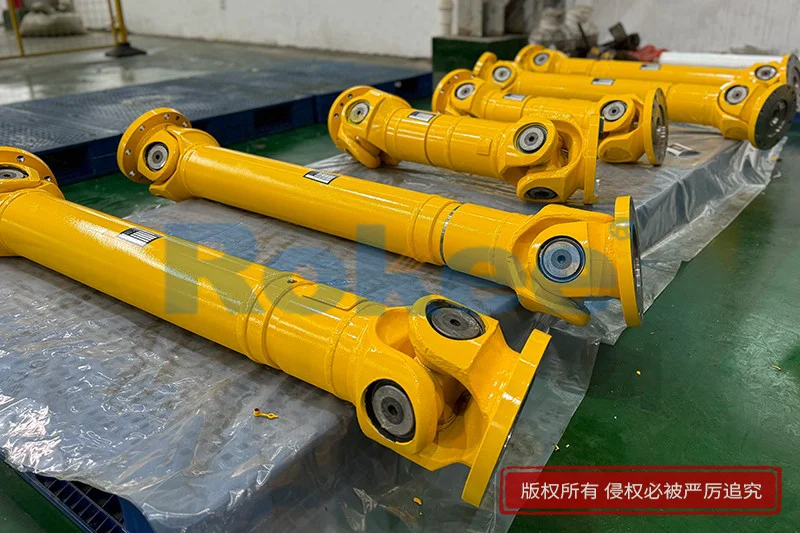
Cardan Drive Shafts
Mar 24, 2026Cardan Drive Shaft is a mechanical connection device that allows for angular deviation between two shafts, capable of transmitting rotational motion and torque between two non coaxial shafts.… -
Cardan Shafts
Feb 27, 2026Cardan shaft is a mechanical transmission device used to connect two axes that do not coincide but require the transmission of motion and torque. The uniqueness of this coupling lies in its a… -
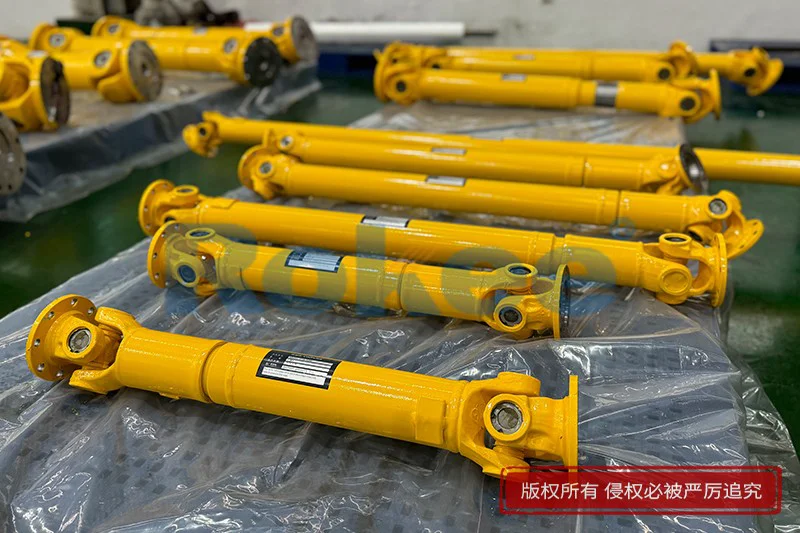
Universal Joint Couplings
Feb 27, 2026Universal joint coupling is a mechanical device used to connect two non linearly arranged rotating shafts and transmit torque and rotational motion. This type of coupling occupies an importan… -
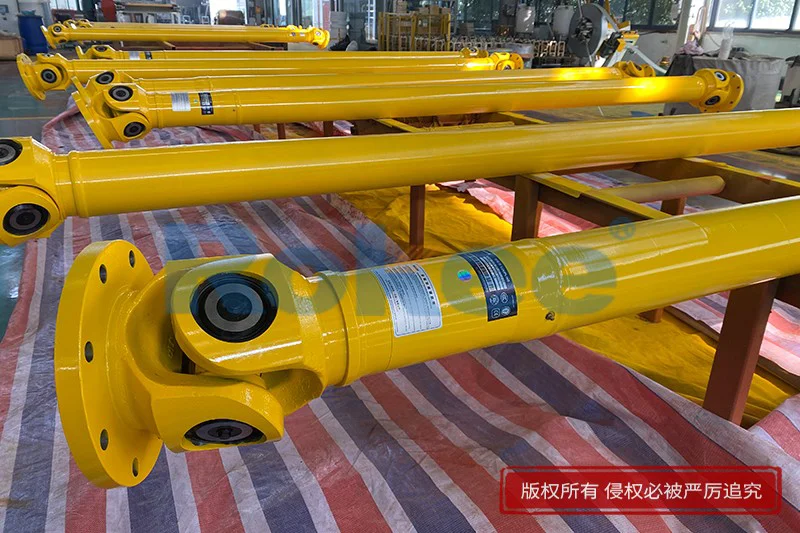
Cardan Shaft Couplings
Feb 27, 2026Cardan shaft coupling is a key connecting component widely used in mechanical transmission systems, which can transmit torque and rotational motion when the two axis lines do not coincide (us… -
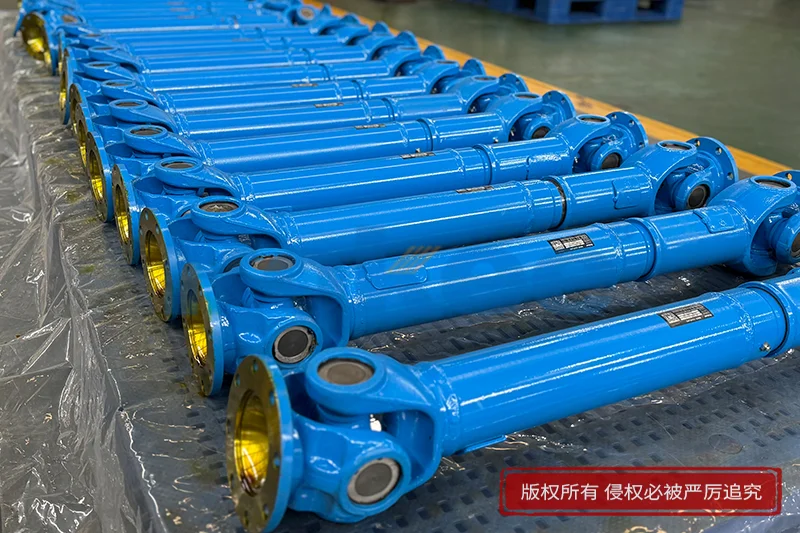
Cardan Couplings
Jan 20, 2026Cardan Coupling is a mechanical device that can transmit torque and rotational motion between two shafts, especially suitable for transmission systems with angular or positional deviations be… -
Universal Shaft Couplings
Jan 20, 2026Universal shaft coupling is a mechanical device that can transmit torque and rotational motion between two shafts with different axes. As a key component in mechanical transmission systems, i… -
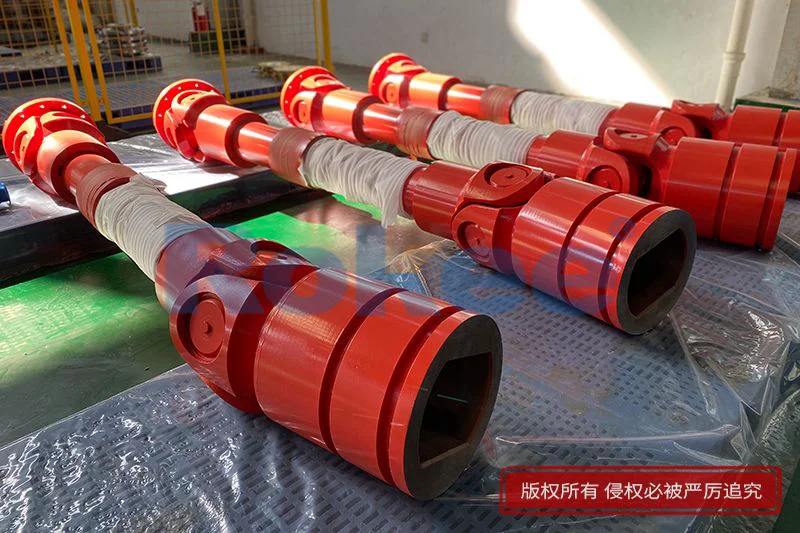
Universal Couplings
Jan 20, 2026Universal coupling is a mechanical device that can transmit torque and rotational motion when two shafts are not concentric or have a certain degree of angular deviation. This unique performa… -
Industrial Cardan Shafts
Jan 20, 2026Industrial cardan shaft is a mechanical device used to connect two non overlapping transmission shafts and achieve power transmission. As a core component in modern mechanical transmission sy…