High Speed Diaphragm Couplings
Rokee is a well-known High Speed Diaphragm Couplings supplier from china, the page show cases of High Speed Diaphragm Couplings, provide customized services based on user's drawings, and supporting exports.
In the realm of high-speed mechanical power transmission, where precision, reliability, and dynamic stability are non-negotiable, high speed diaphragm couplings stand as one of the most critical and widely adopted flexible coupling solutions. Unlike conventional rigid couplings that offer no tolerance for shaft misalignment or gear couplings that rely on lubrication and suffer from wear under high rotational speeds, these specialized couplings leverage the elastic deformation of precision-engineered metal diaphragms to transmit torque efficiently while accommodating multi-directional shaft deviations, making them indispensable for heavy-duty, high-speed industrial machinery that operates under extreme dynamic conditions. Designed to handle extreme rotational speeds, high torque loads, and harsh operating environments, high speed diaphragm couplings have evolved from basic flexible components to highly engineered mechanical elements that balance torsional stiffness, flexibility, and fatigue resistance, addressing the core challenges of power transmission in modern industrial systems where traditional coupling designs fail to meet performance benchmarks.
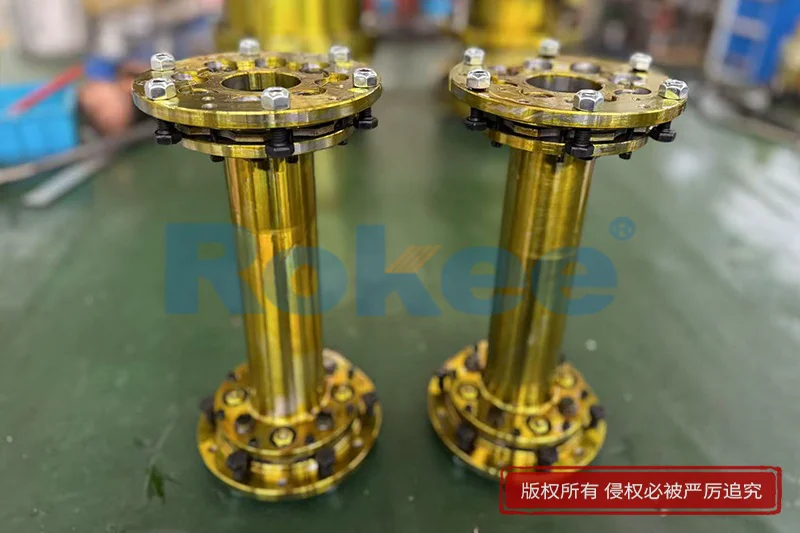
At its core, the structural design of a high speed diaphragm coupling is engineered to optimize power transmission efficiency and misalignment compensation while minimizing dynamic stress and wear during high-speed operation. The fundamental assembly consists of two robust hub components, also referred to as shaft sleeves, a central flexible diaphragm module, and precision fasteners that secure the assembly without creating excessive backlash or rotational play. The hubs are typically forged from high-strength alloy steel materials selected for their exceptional tensile strength, fatigue resistance, and dimensional stability, as they are directly mounted onto the driving and driven shafts of the machinery, bearing the full brunt of transmitted torque and dynamic loads. These hubs are precision machined to tight tolerances, with tapered or straight bore configurations to ensure a secure, interference-free fit with the shaft ends, often utilizing keyway connections or shrink-fit assembly to eliminate slippage and maintain precise rotational synchronization even at maximum operating speeds. The central functional element, the diaphragm pack, is the heart of the coupling, composed of multiple thin, flat layers of high-grade stainless steel or other corrosion-resistant alloy sheets, each with a precisely calibrated thickness ranging from fractions of a millimeter to a few millimeters, stacked in parallel to form a flexible yet rigid torque-transmitting unit. Unlike single-piece flexible elements, the multi-layer diaphragm design distributes stress evenly across each sheet, preventing localized fatigue failure and extending the service life of the coupling under cyclic loading and repeated deformation. The diaphragms are securely attached to the inner faces of the two hubs using high-precision bolts, arranged in a staggered or concentric pattern to ensure uniform load distribution; this bolted connection is engineered to maintain tight clamping force without distorting the diaphragm shape, preserving the elastic flexibility required for misalignment compensation while ensuring full torque transfer from the driving hub to the driven hub. Many high-speed variants also feature a spacer sleeve between the two diaphragm sets in double diaphragm configurations, which not only increases the distance between the driving and driven shafts but also enhances the coupling’s ability to compensate for combined axial, radial, and angular misalignments simultaneously, a critical feature for machinery where shaft positioning can shift due to thermal expansion, mechanical vibration, or foundation settlement during operation.
The performance characteristics of high speed diaphragm couplings are what set them apart from other flexible coupling types, making them uniquely suited for high-speed, high-torque applications. One of the most prominent performance advantages is their ability to operate at extremely high rotational speeds, often reaching tens of thousands of revolutions per minute, with minimal windage loss and dynamic imbalance. This is achieved through the lightweight, compact design of the diaphragm assembly and the precision balancing of all rotating components during manufacturing, which eliminates excessive centrifugal force and vibration that can damage bearings, shafts, and connected machinery at high speeds. Torsional stiffness is another key performance metric, as these couplings maintain high torsional rigidity to ensure accurate torque transmission and rotational synchronization, preventing torsional wind-up that can compromise positional accuracy in precision machinery or cause power loss in heavy-duty drive systems. Despite this high torsional stiffness, they retain exceptional flexible properties, capable of compensating for three primary types of shaft misalignment: axial misalignment, which involves forward or backward movement of the shafts along their central axis; radial misalignment, where the shafts are offset parallel to one another; and angular misalignment, where the shaft centerlines intersect at a small angle. Unlike lubricated couplings that require ongoing maintenance to preserve flexibility, high speed diaphragm couplings achieve this flexibility through pure elastic deformation of the metal diaphragms, eliminating the need for lubrication entirely. This maintenance-free operation is a major performance benefit, as it removes the risk of oil leakage, contamination, and wear-related performance degradation, making them ideal for enclosed, high-speed systems where regular maintenance is difficult or impossible. Additionally, these couplings exhibit excellent thermal stability, operating reliably across a wide range of temperatures without losing their mechanical properties, and they resist corrosion and oxidation in harsh industrial environments, from high-temperature power generation facilities to corrosive chemical processing plants. They also offer superior damping characteristics, absorbing minor mechanical vibrations and shock loads that occur during startup, shutdown, or sudden load changes, protecting the connected drive components from impact damage and reducing overall system noise levels. Fatigue resistance is equally critical, as the multi-layer diaphragm design withstands millions of cyclic deformation cycles without cracking or failing, ensuring long-term operational reliability and reducing unplanned downtime for industrial equipment.
High speed diaphragm couplings are classified into distinct categories based on structural configuration, diaphragm design, and application-specific requirements, with each type tailored to address unique operational challenges and performance needs. The most fundamental classification is based on the number of diaphragm modules, dividing them into single diaphragm couplings and double diaphragm couplings, the two primary variants used in industrial high-speed applications. Single diaphragm high-speed couplings feature a single set of diaphragms connecting the two hubs directly, with no intermediate spacer sleeve. This design is characterized by a compact footprint, low moment of inertia, and simplified assembly, making it ideal for high-speed applications with limited installation space and relatively minor shaft misalignment, such as small to medium-sized high-speed pumps, compressors, and precision spindle drives. While single diaphragm couplings offer excellent high-speed performance and torque transmission, their misalignment compensation capacity is more limited, primarily suited for small angular and axial deviations, as the single flexible element bears the full load of deformation without the support of a secondary diaphragm set. Double diaphragm high-speed couplings, by contrast, incorporate two separate diaphragm modules positioned on either side of a central spacer sleeve, creating a dual-flexible element system that significantly enhances misalignment compensation capabilities. This configuration allows the coupling to handle larger combined misalignments—axial, radial, and angular—simultaneously, making it the preferred choice for heavy-duty, high-speed machinery where shaft displacement is unavoidable due to thermal growth, heavy loading, or structural movement. The central spacer sleeve can be customized to varying lengths to accommodate different shaft separations, adding versatility for large-scale industrial drive systems. Another classification criterion is based on diaphragm profile and construction, distinguishing between laminated diaphragm couplings and integral diaphragm couplings. Laminated diaphragm couplings, the most common high-speed variant, use the multi-layer thin sheet design previously described, offering superior stress distribution and fatigue resistance, ideal for continuous high-speed operation with cyclic loading. Integral diaphragm couplings feature a single, machined diaphragm element instead of stacked sheets, providing a more rigid structure with higher torque capacity but slightly reduced flexibility, suitable for high-speed applications with minimal misalignment and extreme torque demands. Couplings can also be classified by hub design and mounting method, including solid hub couplings, split hub couplings, and flange-mounted couplings, each designed to facilitate different installation scenarios, from quick field assembly to permanent, high-precision mounting in fixed industrial equipment. Additionally, high speed diaphragm couplings are categorized by operational speed and torque rating, with standard high-speed models for general industrial use and ultra-high-speed models engineered for specialized applications requiring rotational speeds exceeding standard industrial limits, each with optimized diaphragm thickness, hub geometry, and balancing specifications to match the required performance envelope.
The versatility and superior performance of high speed diaphragm couplings make them applicable across a vast spectrum of industrial sectors, wherever high-speed, high-precision power transmission is required, and where reliability and low maintenance are top priorities. In the energy and power generation industry, these couplings are extensively used in gas turbine, steam turbine, and generator drive systems, where they transmit high torque at extreme speeds while compensating for shaft misalignment caused by thermal expansion during operation. Turbine systems operate at exceptionally high rotational speeds and temperatures, making the maintenance-free, heat-resistant design of diaphragm couplings critical for continuous, reliable power generation, as any coupling failure can lead to costly downtime and system damage. They are also employed in large-scale water pumps, fans, and compressors used in power plant auxiliary systems, where consistent high-speed operation and misalignment tolerance are essential for efficient fluid handling. In the oil and gas processing industry, high speed diaphragm couplings are integrated into centrifugal compressors, pumps, and agitators used in exploration, refining, and pipeline transportation operations. These applications often involve corrosive materials, high operating temperatures, and remote locations where maintenance is challenging, so the corrosion resistance, lubrication-free design, and long fatigue life of diaphragm couplings make them the optimal choice over gear or elastomeric couplings that require frequent upkeep. The manufacturing and precision engineering sector relies heavily on these couplings for high-speed machine tools, CNC machining centers, spindle drives, and servo-driven automation systems. Precision manufacturing equipment demands zero backlash, accurate rotational synchronization, and minimal vibration to maintain tight tolerances and high-quality finished products, and the high torsional stiffness, dynamic balance, and vibration damping properties of high speed diaphragm couplings ensure precise motion control and consistent performance at high cutting and operating speeds. In the aerospace and marine industries, where lightweight design and high reliability are paramount, specialized high speed diaphragm couplings are used in aircraft auxiliary power units, marine propulsion systems, and shipboard auxiliary machinery. The lightweight alloy construction reduces overall system weight, while the robust, fatigue-resistant design withstands the harsh vibration and dynamic loads encountered in aerospace and marine environments, ensuring safe and reliable operation in critical applications. The chemical and pharmaceutical processing industries benefit from the contamination-free, lubrication-free operation of these couplings, as they eliminate the risk of oil leakage that could compromise product purity or react with corrosive chemical substances. They are used in high-speed mixing equipment, reactors, and precision dosing systems, where hygiene and material compatibility are critical. Additionally, high speed diaphragm couplings find application in the mining, metallurgy, and pulp and paper industries, powering heavy-duty high-speed crushers, conveyors, and processing machinery that operate under heavy loads and harsh conditions, offering exceptional durability and resistance to wear and fatigue. Beyond these core sectors, they are also utilized in high-speed test benches, laboratory equipment, and specialized industrial machinery where precise, high-speed power transmission is required, solidifying their position as a universal solution for demanding drive system applications.
As industrial machinery continues to evolve toward higher speeds, greater power density, and increased operational efficiency, the role of high speed diaphragm couplings becomes even more critical in modern engineering systems. Their unique combination of structural durability, exceptional performance, flexible misalignment compensation, and low maintenance requirements addresses the most pressing challenges of high-speed power transmission, outperforming traditional coupling designs in nearly every high-demand industrial scenario. The ongoing advancements in material science and precision manufacturing techniques further enhance the performance capabilities of these couplings, allowing for higher rotational speeds, greater torque capacities, and improved fatigue resistance to meet the evolving needs of next-generation industrial equipment. While each classification of high speed diaphragm coupling is designed for specific operational conditions—from compact single-diaphragm units for precision machinery to heavy-duty double-diaphragm models for large-scale turbine systems—all variants share the core engineering principles that make them indispensable: efficient torque transmission through elastic metal deformation, zero backlash operation, and long-term reliability under extreme dynamic conditions. By understanding the structural nuances, performance attributes, classification differences, and application-specific advantages of high speed diaphragm couplings, engineers and industrial operators can select the optimal coupling solution for their machinery, ensuring enhanced system performance, extended equipment service life, and reduced operational costs over time. As a cornerstone of high-speed mechanical drive systems, these couplings will continue to play a vital role in powering industrial progress, supporting the development of faster, more efficient, and more reliable industrial equipment across global manufacturing and energy sectors.
With excellent quality, we have been continuously providing many coupling products of various categories and uses complying with multiple standards and a full range of services, from the product selection to final installation and operation, for the industry fields of ferrous metallurgy, nuclear power, gas turbine, wind power, ropeway construction, lifting transportation, general equipment, etc.
pu sandwich panel line,pu sandwich panel machine,sandwich panel machine
« High Speed Diaphragm Couplings » Update Date: 2026/3/25 , https://www.rokeecoupling.net/cases/high-speed-diaphragm-couplings.html
Other Cases
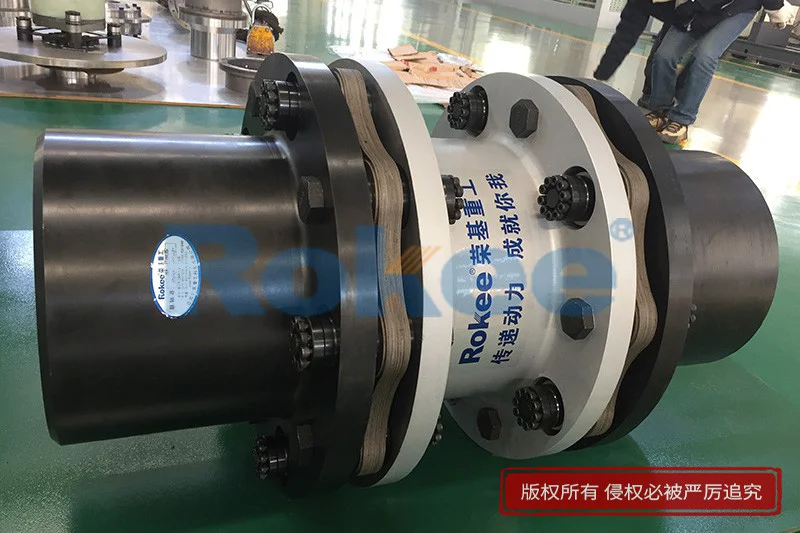 Large Heave-duty Steel Laminae Coupling
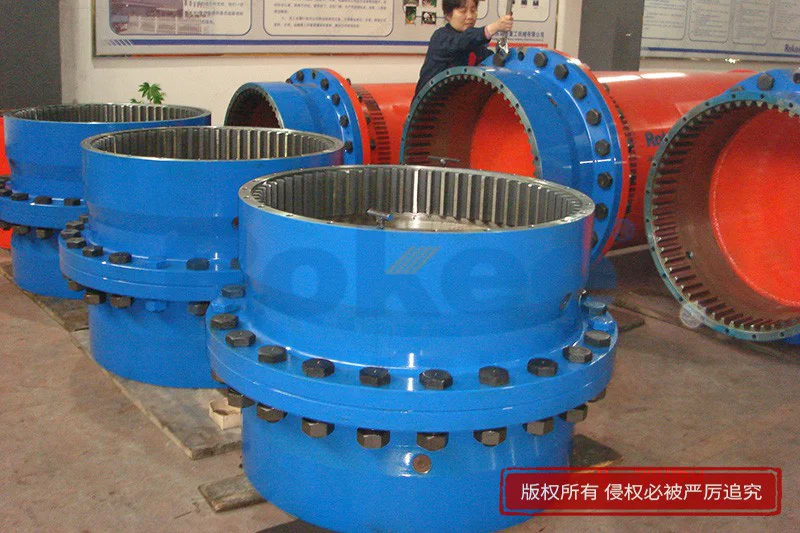 Initial-rolling Crown Gear Coupling For Large Hot-rolling Mill
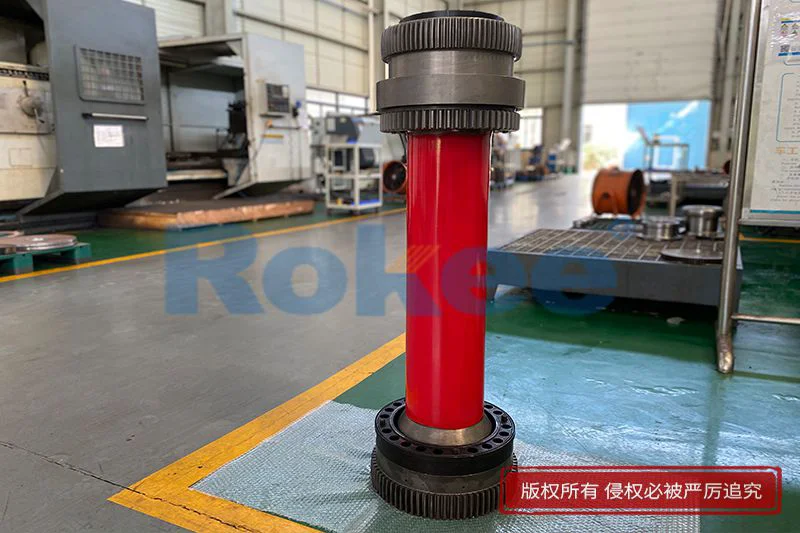 Internal & External Gear Coupling
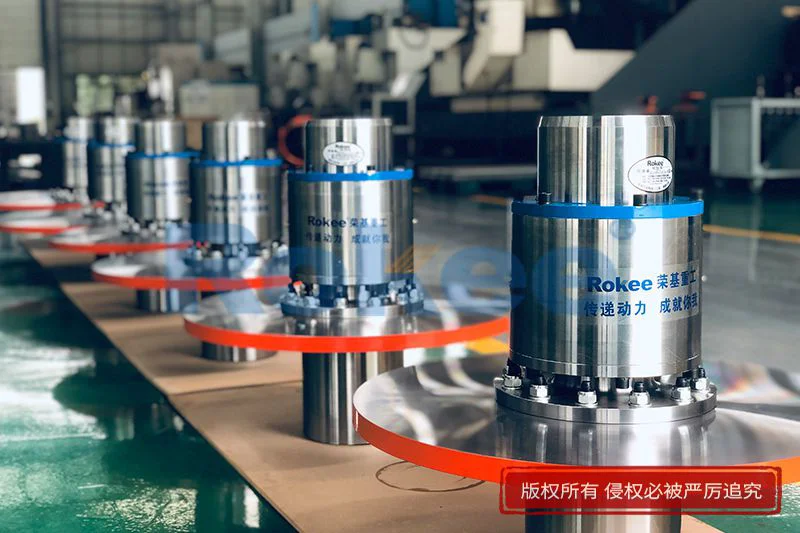 WGP Coupling With Brake Disc
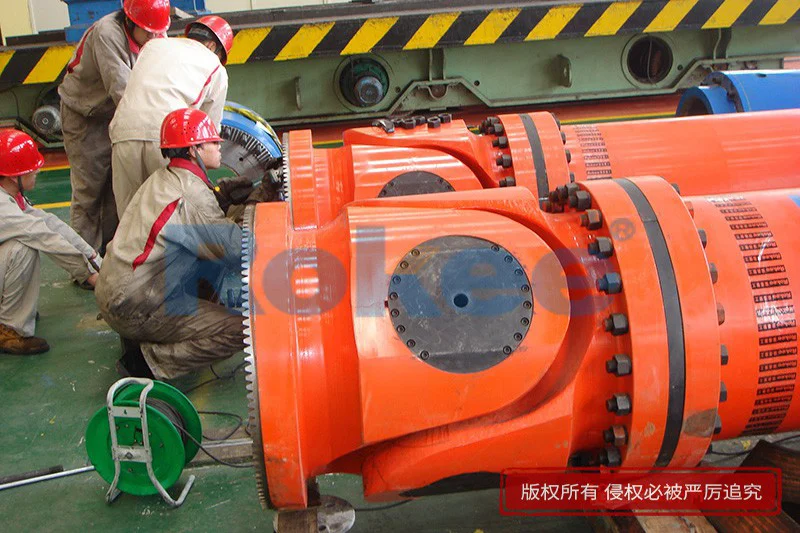 Hot-rolling H-beam Main Drive Cardan Shaft
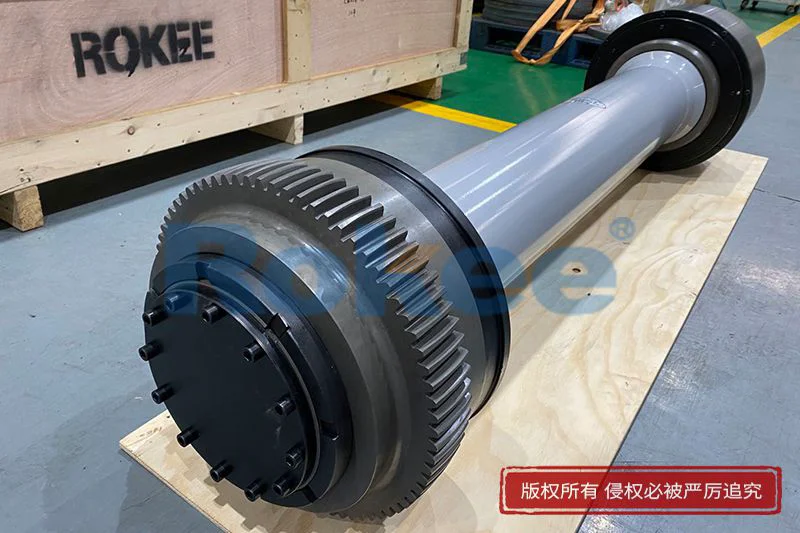 WGT Coupling
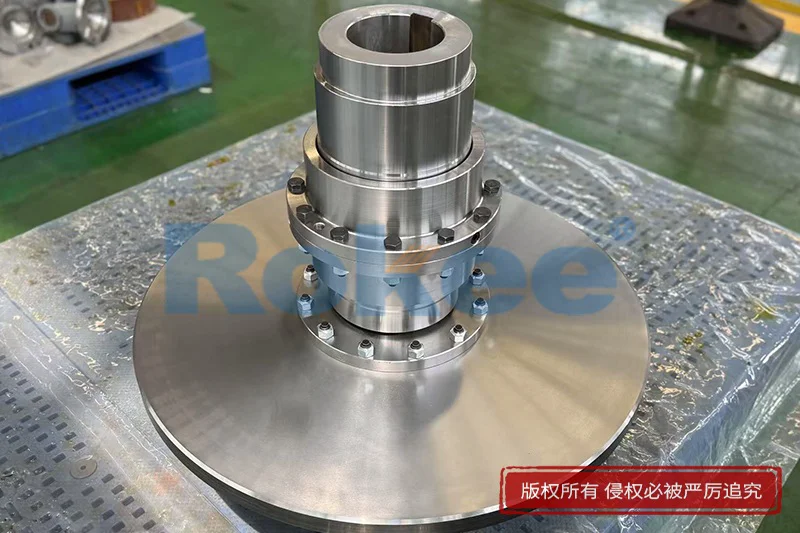 Brake Disc Gear Couplings
 Tooth Shaped Elastic Block Coupling
 Safety Coupling With Spring
 Special Cardan Shaft For Poma Ropeway